





FEELING OVERWHELMED? HERE’S HOW INTROVERTS CAN FLOURISH IN A NEW COUNTRY

Introduction
Relocating to a foreign country is often a life-altering experience - yet for introverts, it may feel particularly disorienting. Everything seems new, such as places, people, friends and even cultures can feel more daunting than exciting. A life-changing event such as moving for a job or pursuing education is bound to stretch an introvert's comfort zone.
Being introverted doesn't need to be seen as a weakness; rather, it should be leveraged as an asset when transitioning to new environments. If you consider yourself an introvert and are embarking on an endeavor such as moving, this guide can ensure a seamless transition while staying true to yourself as an individual.
Assess Your Social Energy and Plan Precisely
The first step to adjusting to a new place as an introvert is understanding your personal social energy. Unlike extroverts, introverts receive their energy from solitude rather than social interactions; consequently, they may quickly feel exhausted after prolonged interactions. Instead of pushing yourself to attend every social event just so you "fit in", pace yourself; allow yourself permission to say no when necessary or rest and recharge whenever needed.
Create Your Personal Sanctuary
A great way to find quiet places in a new environment is to design your home intentionally as your sanctuary. Use soothing colors, invest in noise-canceling headphones, or set aside an area for reading - anything to provide you with a safe haven from external noise and provide refuge when life becomes overwhelming.
Establish Comforting Routine
Building a comforting routine in an unfamiliar environment provides structure and predictability--two essential elements that help introverts feel secure. Begin small habits: taking an early morning stroll, journaling at your favorite cafe, or cooking your favorite dish once every week - these small rituals not only help introverts adapt faster but also strengthen emotional stability and resilience.
Get Accustomed with Solo Exploration
Moving abroad can put a strain on you to "see and do it all", yet sightseeing doesn't always need to involve groups. Instead, take yourself on solo exploration trips by visiting museums, parks, or bookstores where you can be alone without overwhelming social expectations. Solo exploration provides an effective means of familiarizing yourself with a new environment without overwhelming social expectations.
Approach Socialization with Care
Navigating new social situations as an introvert is one of the greatest fears introverts faces, particularly in an unfamiliar country. Socializing doesn't have to mean attending loud parties or joining large groups: instead, search out low-pressure opportunities such as language exchange meetups, book clubs or interest-based workshops which offer meaningful one-on-one connections.
Accept That Making Friends Will Take Time
Anxiety about finding meaningful friendships after moving can create feelings of isolation. Keep this in mind: meaningful relationships take time. Concentrate on quality rather than quantity when expanding your social circle, even if this means starting small. Often the best relationships emerge through shared values and casual interactions like conversing with neighbors during evening walks.
Acknowledging and Overcoming Emotional Hurdles
It is natural to experience feelings of isolation or anxiety when entering an unfamiliar environment. Coping with social anxiety in a new place may require self-compassion and intentional mental health practices to overcome social anxiety effectively - try meditation apps, physical activity, professional counseling or seeking other sources for assistance as appropriate; seeking help shows strength not weakness.
Prepare for Common Challenges of Introverts and Relocation
Many introverted people face difficulties when moving abroad. Some common barriers include adapting to louder or more extroverted cultures, feeling overwhelmed by unfamiliar social norms, and language difficulties. Being aware of any issues allows proactive solutions such as setting boundaries or learning cultural etiquette at their own pace.
Practice Self-Care Religiously
Moving is both physically and emotionally draining. The self-care tips for introverts related to moving are start by prioritizing sleep, hydration and emotional relaxation time. Engage in activities that rejuvenate you like journaling, gardening, yoga or simply watching movies that uphold resilience - self-care shouldn't be seen as selfish; rather, it serves as fuel to make resilience possible.
Answering the Big Question: How Do Introverts Adjust to New Environments?
Adaptation doesn't require changing into someone you aren't. Instead, the key to successful adaptation lies in leaning into your introversion and using its strengths (listening, observing and thoughtful communication) as tools to connect, reflect and adapt to your new life. By building it around your natural strengths you will soon realize that flourishing as an introvert isn't only achievable--it's also empowering!
Final Thoughts: Know That You Aren't Alone on This Journey
International relocation can be an exciting endeavor, but for many introverts, it can be quite isolating. With proper emotional support, healthy habits, and most importantly, self-compassion, you can survive and excel in your new surroundings.
PM Relocations recognizes that every relocation journey is unique. No matter if you prefer adventure or peace, our services are designed to make the transition smooth and stress-free - from door-to-door services and virtual surveys to cultural orientation sessions - our team is with you every step of the way!
Let us assist in finding comfort during this new journey.
Our Blogs

BEST PLACES TO LIVE IN CANADA FOR INDIAN FAMILIES AND IMMIGRANTS
Planning to move from India to Canada in 2026? Discover the best places to live in Canada for Indian families and immigrants, including Toronto, Vancouver, Calgary, Edmonton, and Winnipeg. Explore affordable cities, housing and living costs, career opportunities, immigration requirements, healthcare facilities, and education options for children. This comprehensive guide also covers Canada Express Entry proof of funds, international shipping costs, customs documentation, and essential relocation tips to help Indian families plan a smooth, affordable, and stress-free move to Canada.

WHERE DO MOST INDIANS LIVE IN THE USA? TOP CITIES & STATES
Wondering where most Indians live in the USA? Explore the top states and cities, including California, Texas, New York, New Jersey, and Chicago. Discover popular Indian communities, population trends, and helpful tips for relocating from India to the USA.
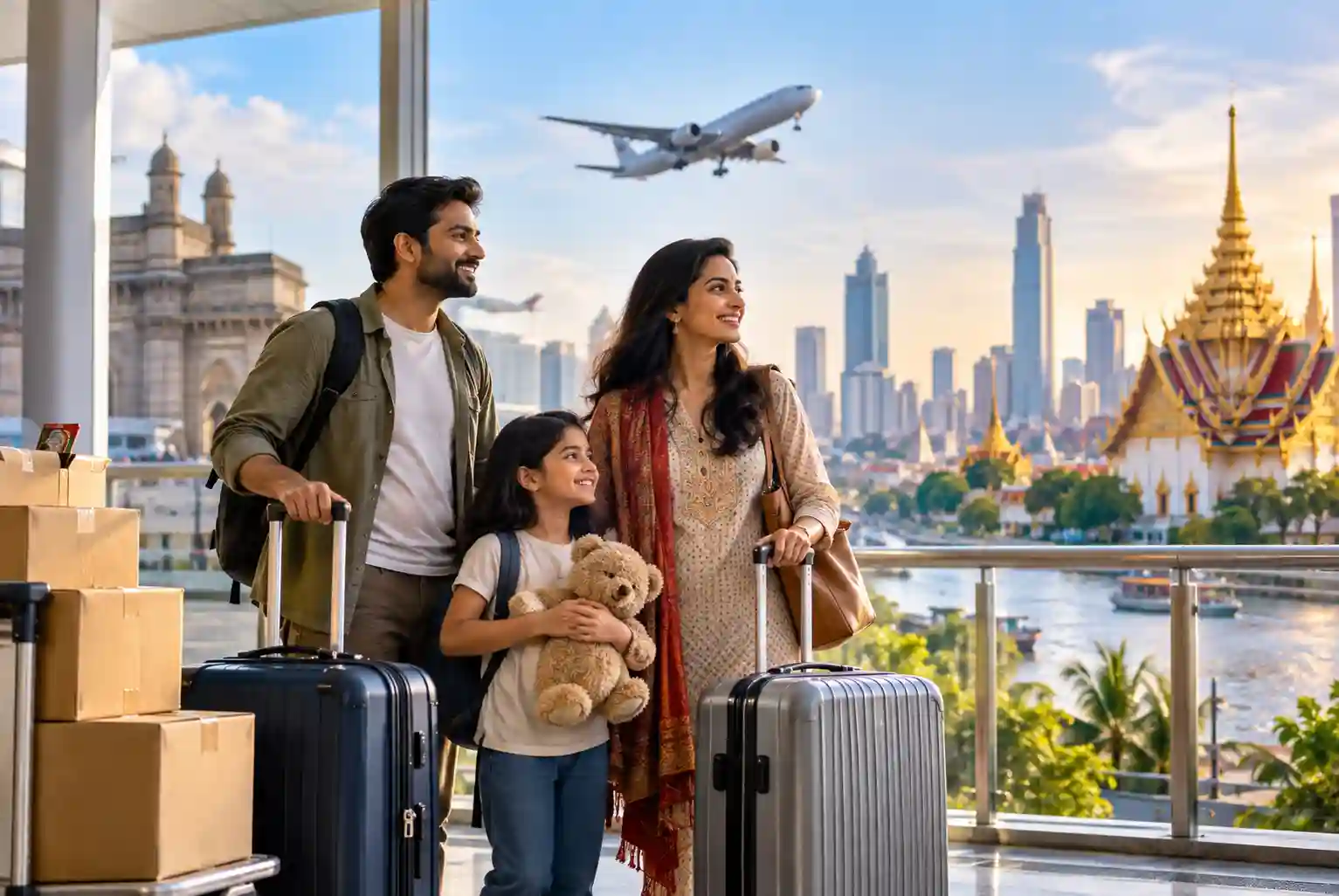
MOVING TO THAILAND FROM INDIA: A COMPLETE RELOCATION GUIDE
Planning to move to Thailand from India? Explore visa requirements, essential documents, customs regulations, household shipping options, and estimated relocation costs. Discover practical moving tips and learn how professional international movers like PM Relocations can help you enjoy a smooth, safe, and stress-free relocation to Thailand.
 Post Feedback
 Gallery
 Awards & Media
 FAQ
FAQ CSR & Sustainability
.svg)