




HOW TO ENSURE RELOCATION DAMAGE PROTECTION FOR YOUR BELONGINGS

Introduction
Relocating to a new house or office is a thrilling experience, but the packing and moving of your belongings is a challenge in itself. One of the biggest concerns for anyone moving is how to safeguard their items from potential damage. Whether you are relocating down the street or across the country, being proactive can make all the difference between a smooth relocation and a stressful one.
Select the Appropriate Moving Supplies for Optimal Protection
With proper materials, breakage in transit is also minimized. Tape the bottom of every box tightly and mark them accordingly to handle them with care. If in case you are not sure how to pack delicate items, it is best to outsource experts who pack delicate items professionally to reduce last-minute failures.
Also, during the packaging of books, utilize small boxes because they get too heavy when placed one over another in big cartons. Likewise, clothes can be conserved in terms of space and kept safe from dust and humidity by vacuum-sealed bags.
Implement Smart Packing Tips for Safe Transit
For bulk household goods, disassemble furniture when convenient and secure loose pieces in labeled bags. Appliances must be neatly wrapped, and fragile electronics need to be padded properly. Wardrobe boxes can be used to pack clothing, which is one of the best packing tips because clothes will not get wrinkled and dirty.
Labeling is yet another important component of effective packing. Marking which boxes belong in a certain room using color-coded labels or stickers makes unpacking easier. Don't overlook labeling fragile items so movers take special care in handling them.
Prioritize Furniture Protection to Avoid Scratches and Breaks
Furthermore, covering upholstery with plastic wrap helps to prevent dust and stains. When lifting furniture, use proper lifting techniques or furniture-moving equipment to prevent the building from getting damaged and to prevent injury to yourself. In the case of a professional moving company, ensure that they have full-scale furniture protection services to protect your goods.
Insure Your Move with Comprehensive Relocation Insurance
Take time to read the terms and conditions before buying insurance. Make sure valuable items such as jewelry, paintings, and antiques are insured. If you are worried about delicate items, inquire from your moving company about tailored insurance.
Most people believe their renters' or homeowners' policy covers relocation damage, but that is not the case. Check with your carrier about the coverage conditions and, if necessary, buy a customized moving insurance plan.
Be Very Careful with Electronics During a Move
Stacking heavy items over electronics should be avoided, and they should be stored vertically to avoid damage to the screen. For larger appliances like televisions, refrigerators, and washing machines, the use of customized crates or padding wrapping would be a better idea for greater security.
Prevent Unexpected Damages Moving by Hiring Professionals
When selecting a moving company, perform exhaustive research, look up reviews on the internet, and ensure that they provide exact contracts with precise insurance policies. The mover must also do a pre-move survey in order to measure your possessions and provide the best protective measures for your items.
The Role of Moving Company Liability in Damage Protection
- Released Value Protection: This is the minimum coverage which is usually covered in the contract at no extra cost. Though it offers less reimbursement, usually in terms of the weight of the item rather than its market value.
- Full-Value Protection: More costly but greater protection. The moving company will repair, replace, or compensate for the market value of the item in the event it gets lost or damaged.
Utilize a Reliable Moving Partner
Planning to move? Trust PM Relocations to offer a hassle-free experience with the utmost care for the safety of your belongings. Call us today to make your move hassle-free and stress-free.
Our Blogs

CORPORATE RELOCATION VENDOR SELECTION: A PRACTICAL CHECKLIST FOR PROCUREMENT TEAMS
Choosing the right corporate relocation vendor is key to a safe, smooth, and cost-effective move. This practical guide helps procurement teams compare moving companies based on pricing, experience, insurance, compliance, and service quality. Explore essential vendor selection tips, avoid common mistakes, and find a reliable relocation partner for your business.
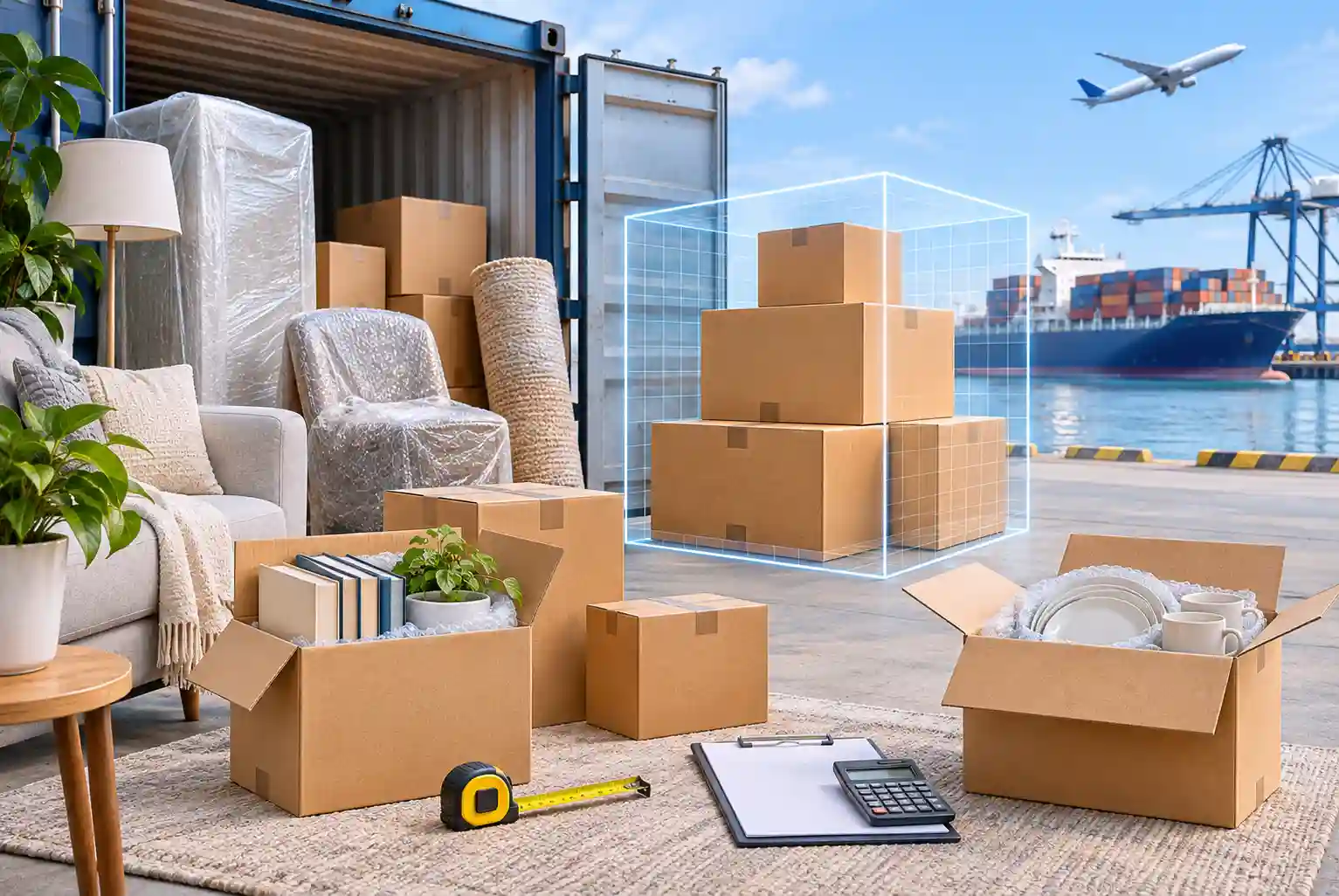
INTERNATIONAL MOVING VOLUME EXPLAINED: HOW CUBIC METRES AFFECT YOUR SHIPPING QUOTE
Planning an international move? Understanding **international moving volume** and **cubic metres (CBM)** can help you estimate shipping costs more accurately. Learn how CBM affects your international moving quote, what influences sea and air freight charges, and practical ways to reduce shipping volume. Explore useful tips for a smooth and cost-effective overseas relocation with PM Relocations.

SEA FREIGHT VS AIR FREIGHT: WHICH IS BETTER FOR YOUR INTERNATIONAL RELOCATION?
Planning an international relocation? Choosing between sea freight and air freight depends on your budget, shipment size, and delivery needs. Sea freight is ideal for large household moves, while air freight is better for urgent shipments. Explore shipping costs, delivery times, customs requirements, and useful tips to choose the best option for a smooth and affordable international move.
 Post Feedback
 Gallery
 Awards & Media
 FAQ
 CSR & Sustainability
.svg)