





THE ULTIMATE GUIDE TO STUDENT VISA AND RELOCATION: MAKING YOUR STUDY ABROAD DREAMS A REALITY

Introduction
Planning Your Educational Journey
First, determine your educational objectives and investigate institutions that suit your academic ambitions. Take into consideration program reputation, tuition fees, living costs, cultural climate, and post-graduation employment opportunities. It is useful for many international students to use a spreadsheet comparing these aspects among various countries and institutions.
Once you have narrowed down the possible destinations, research the particular student visa procedure for that country. They are quite different, and being aware of the variations early can determine your final choice of destination.
Understanding Student Visa Requirements
- Common Documents Required for Student Visa
- Acceptance letter from the accredited institution
- Documentation of financial ability to support tuition fees and living costs
- A sufficiently valid passport with a duration extending beyond your stay
- Schooling certificates and transcripts
- Health insurance papers
- Language proficiency test results
- Passport photos of a certain size specification
- Application forms for a visa according to your destination country
The Student Visa Application Timeline
- Research Phase (12-18 months before): Research visa types, requirements, and processes
- Document Preparation (6-12 months before): Collect required documents, translations, and certifications
- Application Submission (3-6 months before): Submit your application and pay fees
- Visa Interview (if necessary): Prepare for and attend your visa interview
- Processing Period: Wait for visa processing (timeframes vary widely by country)
- Visa Issuance: Receive your visa and prepare to leave
Preparing for Relocation: A Pre-Departure Checklist
- Essential Pre-Departure Tasks
- Book your flights (consider flexible options)
- Arrange temporary or permanent accommodation
- Research banking options in your destination country
- Obtain necessary health insurance coverage
- Research local transportation systems
- Pack appropriate clothing for the climate
- Organize essential documents in both digital and physical formats
- Research cultural norms and practices
- Prepare a budget for your initial weeks abroad
Managing Cultural Adjustment
Most students follow a patterned process of adjustment: excitement, then frustration or homesickness, adaptation over time, and ultimately, feeling comfortable in their new surroundings. Knowledge of this cycle can serve to normalize your experience and construct coping strategies for adjustment.
Look for international student support services at your university, which usually offer resources, events, and counseling aimed at facilitating this transition. Establishing a social network, both among locals and other international students, can greatly facilitate your adjustment.
Housing Issues
- Residence halls or university dormitories
- Private student residences
- Shared apartments or houses
- Living with local host families
- Temporary housing during the search for long-term alternatives
Post-Arrival Essentials
- Filling out university registration processes
- Getting a local bank account
- Getting a local phone number
- Local registration (if necessary)
- Orientation sessions
- Touring the campus and neighborhood
- Establishing utilities and internet services
- Learning emergency services and access to healthcare
Professional Relocation Assistance
PMR's committed team recognizes the special needs of international students and offers customized solutions, ranging from visa application assistance to accommodation booking and cultural induction. Their global mobility expertise makes them a valuable partner for students pursuing educational journeys across the globe.
Conclusion
Keep in mind that thousands of students move abroad every year and succeed in their new surroundings. With adequate planning and a positive attitude, your educational move can be one of the best experiences of your life.
For individualized support in your student relocation process, contact PMR for end-to-end relocation services. PMR can ensure that a seemingly daunting process is a seamless one, so that you can concentrate on what is truly important—your studies and your personal development in your new environment
Our Blogs

BEST PLACES TO LIVE IN CANADA FOR INDIAN FAMILIES AND IMMIGRANTS
Planning to move from India to Canada in 2026? Discover the best places to live in Canada for Indian families and immigrants, including Toronto, Vancouver, Calgary, Edmonton, and Winnipeg. Explore affordable cities, housing and living costs, career opportunities, immigration requirements, healthcare facilities, and education options for children. This comprehensive guide also covers Canada Express Entry proof of funds, international shipping costs, customs documentation, and essential relocation tips to help Indian families plan a smooth, affordable, and stress-free move to Canada.
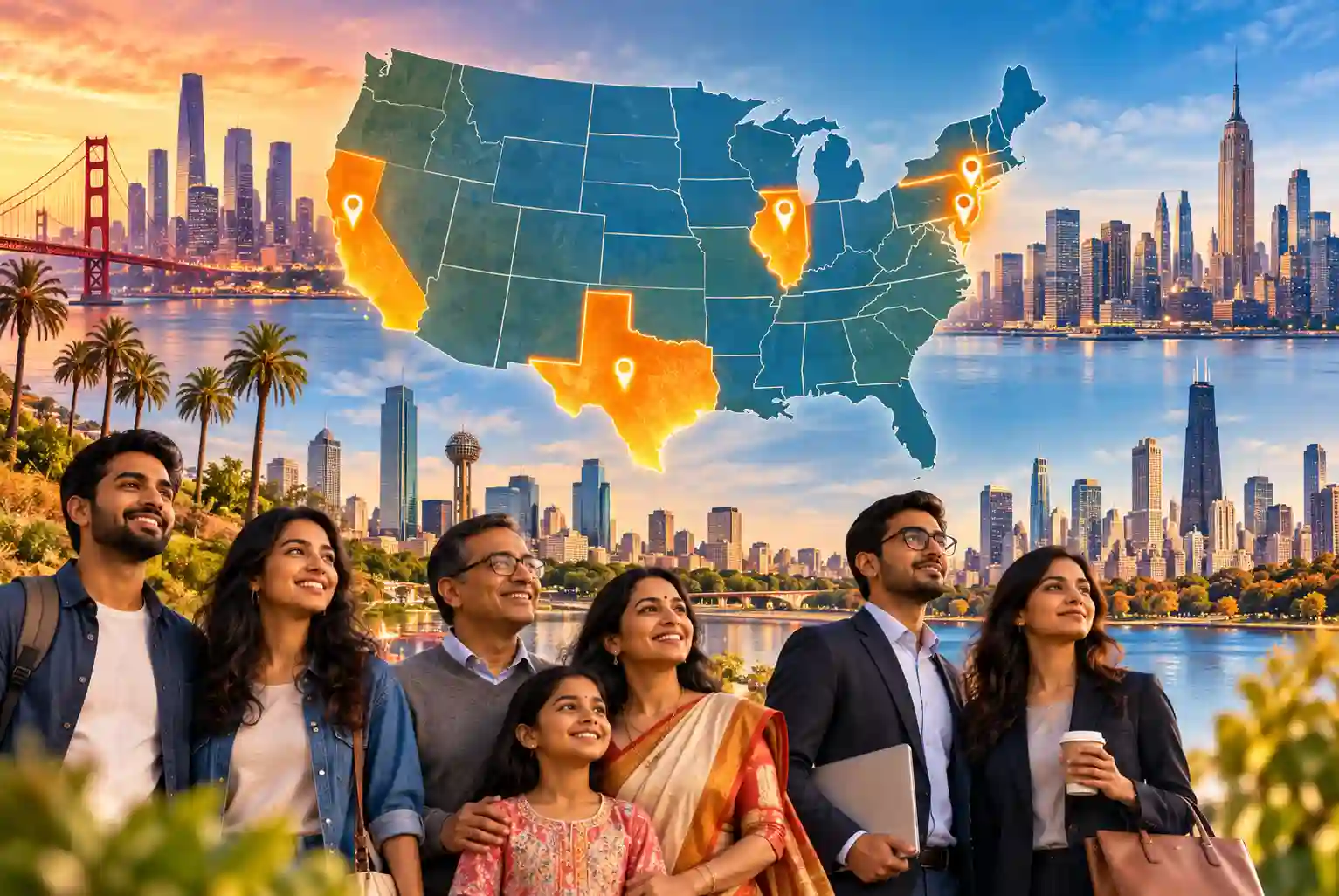
WHERE DO MOST INDIANS LIVE IN THE USA? TOP CITIES & STATES
Wondering where most Indians live in the USA? Explore the top states and cities, including California, Texas, New York, New Jersey, and Chicago. Discover popular Indian communities, population trends, and helpful tips for relocating from India to the USA.

MOVING TO THAILAND FROM INDIA: A COMPLETE RELOCATION GUIDE
Planning to move to Thailand from India? Explore visa requirements, essential documents, customs regulations, household shipping options, and estimated relocation costs. Discover practical moving tips and learn how professional international movers like PM Relocations can help you enjoy a smooth, safe, and stress-free relocation to Thailand.
 Post Feedback
 Gallery
 Awards & Media
 FAQ
FAQ CSR & Sustainability
.svg)