






TOP 5 FAQS PEOPLE ASK BEFORE THEY MOVE TO VIETNAM
Introduction
1. What Are the Visa Requirements for Moving to Vietnam?
- Tourist Visa: For short stays, usually up to 30 days, and can be extended
- Work Visa: For professionals working for Vietnamese or international companies. A work permit is usually required as part of the application
- Business Visa: Suitable for entrepreneurs or business travellers, this visa allows longer stays and frequent entries.
- Temporary Residence Card (TRC): The TRC, highly sought after upon arrival, is valid for one to three years and renewable
2. How Do I Plan the Logistics of Moving to Vietnam?
- Shipping Personal Items: Engaging a professional relocation service can be made very easy by shipping household goods. PM Relocations ensures that your household goods are safely packed, transported, and delivered to your new home.
- Finding Accommodation: Whether it is high-end serviced apartment in Ho Chi Minh City or traditional house in smaller town, finding accommodation depends upon the proximity to schools, work, and more essential services.
- Gathering Vital Documents: From your birth certificate to your vaccination records, ensure all the documents are translated into Vietnamese and, if necessary, notarized.
3. How to Successfully Adapt to Vietnamese Culture?
- Learning Vietnamese: Although English is widely used in cities, learning some basic Vietnamese will really enhance your communication.
- Observing Social Norms: For instance, always take off your shoes before entering someone's house.
- Join Local Celebrations: Tet (Vietnamese New Year) is a good time to engage in cultural practices.
- Showing Respect to Elders: Age and seniority are very respected in Vietnam, so politeness is key in all interactions.
4. What Are the Best Places to Live and Travel in Vietnam?
- Hanoi: A city that has all historical richness and modern life, so very popular among professionals and families.
- Ho Chi Minh City: Fast-paced culture, full of expats and international businesses.
- Da Nang: Coastal living while offering amenities like those of a city; great for families and retirees.
- Best Places to Visit:
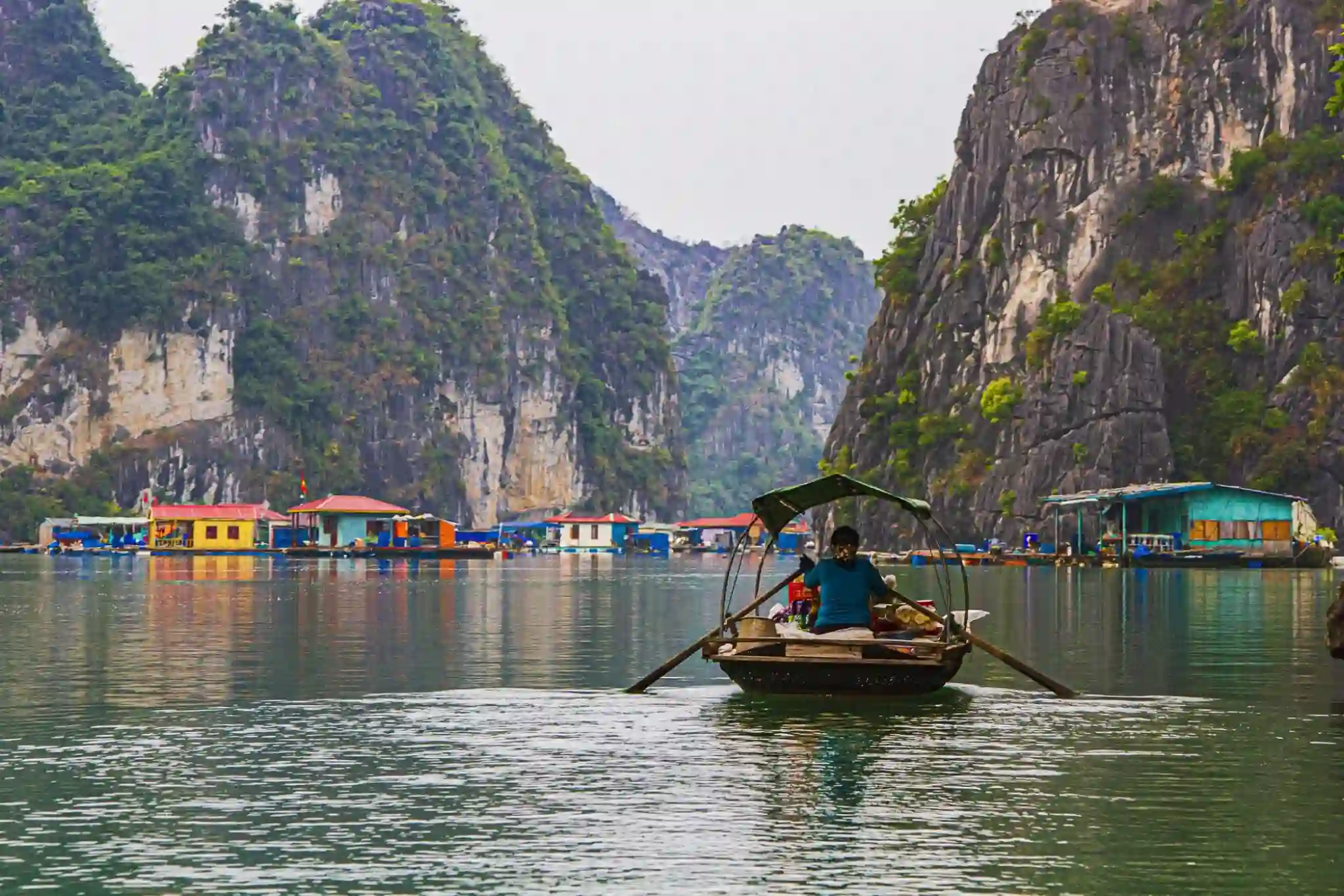
- Halong Bay: UNESCO World Heritage Site for the stunning limestone formations and cruises.
- Hoi An: Ancient town known for lantern lights and traditional food.
- Sapa: Great for trekking and observation of hill tribe cultures.
5. What Is the Best Time to Travel in Vietnam?
- North (Hanoi and Halong Bay): The best time to visit is between October and April; cooler and drier weather. Humid summers with heavy rains.
- Central Vietnam (Hoi An and Da Nang): March through August offers pleasant sunny weather for beach vacations. Avoid October and November due to typhoon season.
- South (Ho Chi Minh City): This region has a tropical climate with dry (November to April) and wet (May to October) seasons.
Bonus Tips for Moving to Vietnam
- Healthcare: Take private insurance on health and learn about internationals hospital in your vicinity.
- Transportation: Motorbikes are the norm in Vietnam but ride-hailing apps like Grab give an easier option.
- Networking: Joining expat communities such as online forums or local meetups can make your transition much easier.
Why Choose PM Relocations?
Our Blogs

BEST PLACES TO LIVE IN CANADA FOR INDIAN FAMILIES AND IMMIGRANTS
Planning to move from India to Canada in 2026? Discover the best places to live in Canada for Indian families and immigrants, including Toronto, Vancouver, Calgary, Edmonton, and Winnipeg. Explore affordable cities, housing and living costs, career opportunities, immigration requirements, healthcare facilities, and education options for children. This comprehensive guide also covers Canada Express Entry proof of funds, international shipping costs, customs documentation, and essential relocation tips to help Indian families plan a smooth, affordable, and stress-free move to Canada.

WHERE DO MOST INDIANS LIVE IN THE USA? TOP CITIES & STATES
Wondering where most Indians live in the USA? Explore the top states and cities, including California, Texas, New York, New Jersey, and Chicago. Discover popular Indian communities, population trends, and helpful tips for relocating from India to the USA.

MOVING TO THAILAND FROM INDIA: A COMPLETE RELOCATION GUIDE
Planning to move to Thailand from India? Explore visa requirements, essential documents, customs regulations, household shipping options, and estimated relocation costs. Discover practical moving tips and learn how professional international movers like PM Relocations can help you enjoy a smooth, safe, and stress-free relocation to Thailand.
 Post Feedback
 Gallery
 Awards & Media
 FAQ
FAQ CSR & Sustainability
.svg)