






A COMPREHENSIVE GUIDE TO WORK VISAS AND RESIDENCY PERMITS

Introduction
What Are Work Visas and Residency Permits?
Both documents are critical for professionals planning to work abroad, as they determine legal employment status and residency rights. Understanding their distinctions and application procedures can make the transition smoother.
Types of Work Visas
- Skilled Worker Visa: Given to professionals with higher qualifications and experience.
- Temporary Work Visa: Used for temporary working contracts or temporary work.
- Expat Visa: For workers moving with multi-national companies.
- Visa Sponsorship: Implies an employer sponsoring the foreign applicant's legitimate work status.
Requirements and Process for Application of a Work Visa
- Sponsorship & Job Offer: Various work visas require a confirmed job offer from a sponsor employer who is willing to sponsor the visa.
- Visa Application Submission: Applicants are required to submit a completed visa application form accompanied by supporting documents.
- Qualification Documentation: Some visas require documentation of work experience, education, or industry certifications.
- Health and Background Checks: Medical checkups and background checks are required by most countries.
- Visa Processing Time: Application processing time varies from weeks to months based on the visa category and country.
- Approval & Entry: Once approved, the applicants receive their work visa and can relocate according to their employment contract.
Residency Permits and Permanent Residency
- Temporary Residency: Issued for work, study, or business purposes with renewal options.
- Permanent Residency: Allows continuous dwelling and working and can also initiate twin residency.
Work Visa Renewal and Extension
Common Work Visa Issues
- Long Processing Times: Some visas take months to process, delaying the start of employment.
- Eligibility Criteria: Stringent educational, financial, or professional experience requirements might be imposed by nations.
- Dependence on Employers: Some visas are employer-specific, meaning job changes mean seeking a new visa.
- Tight Quota Restrictions: Certain countries impose quotas on specific types of visas, making them hard to obtain.
Picking the Right Country to Work and Live In
- United States: Offers different kinds of visas, including the H-1B for professionals.
- United Kingdom: The Skilled Worker visa is one widely used pathway by professionals.
- Canada: Offers work permits with a connection to permanent residency.
- Australia: Offers visas under a points system for immigration.
- European Union: The work visa EU system allows professionals to work in Schengen countries.
How PM Relocations Can Help
For personal assistance for your international move, call PM Relocations now!
Our Blogs

THE ULTIMATE GUIDE TO EMPLOYER RELOCATION ASSISTANCE
Are you moving to a new city for a job? This guide explains how employer relocation assistance works in India. Learn about standard corporate moving packages, how to claim your relocation allowance tax exemption, and the benefits of hiring professional movers to make your move completely stress-free.
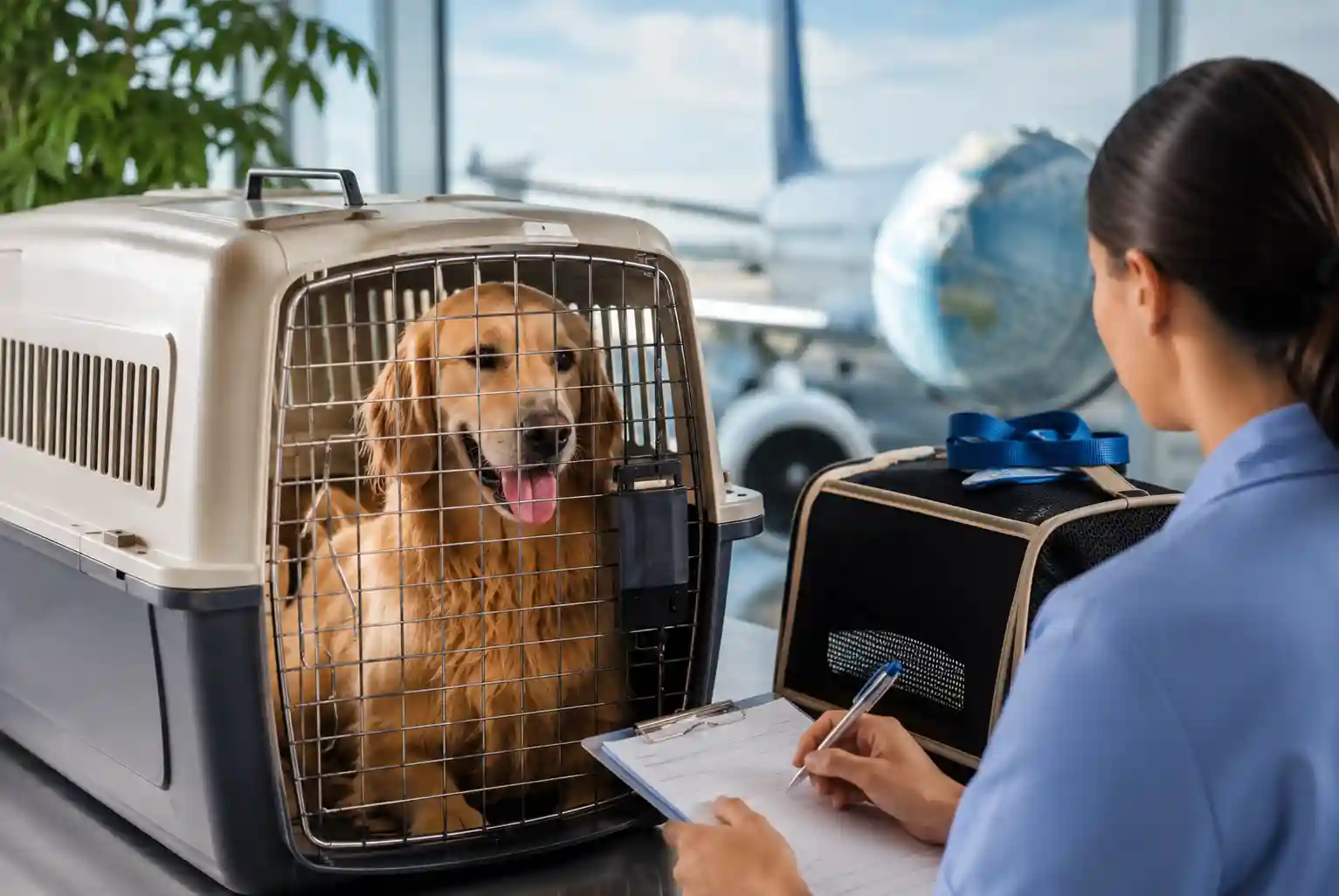
INDIA'S 2026 DGFT PET IMPORT GUIDELINES: WHAT EXPATS MUST KNOW ABOUT QUARANTINE AND NOCS
Relocating to India with your dog or cat requires strict compliance with the latest Directorate General of Foreign Trade (DGFT) and Animal Quarantine and Certification Services (AQCS) regulations. This comprehensive 2026 guide breaks down everything expats must know about securing the mandatory Advance No Objection Certificate (NOC) at least seven days prior to travel. Discover the three official import pathways, the essential veterinary documentation required (including ISO-compliant microchips and government health certificates), and what to expect during the standard 15-day pet quarantine period upon arrival.
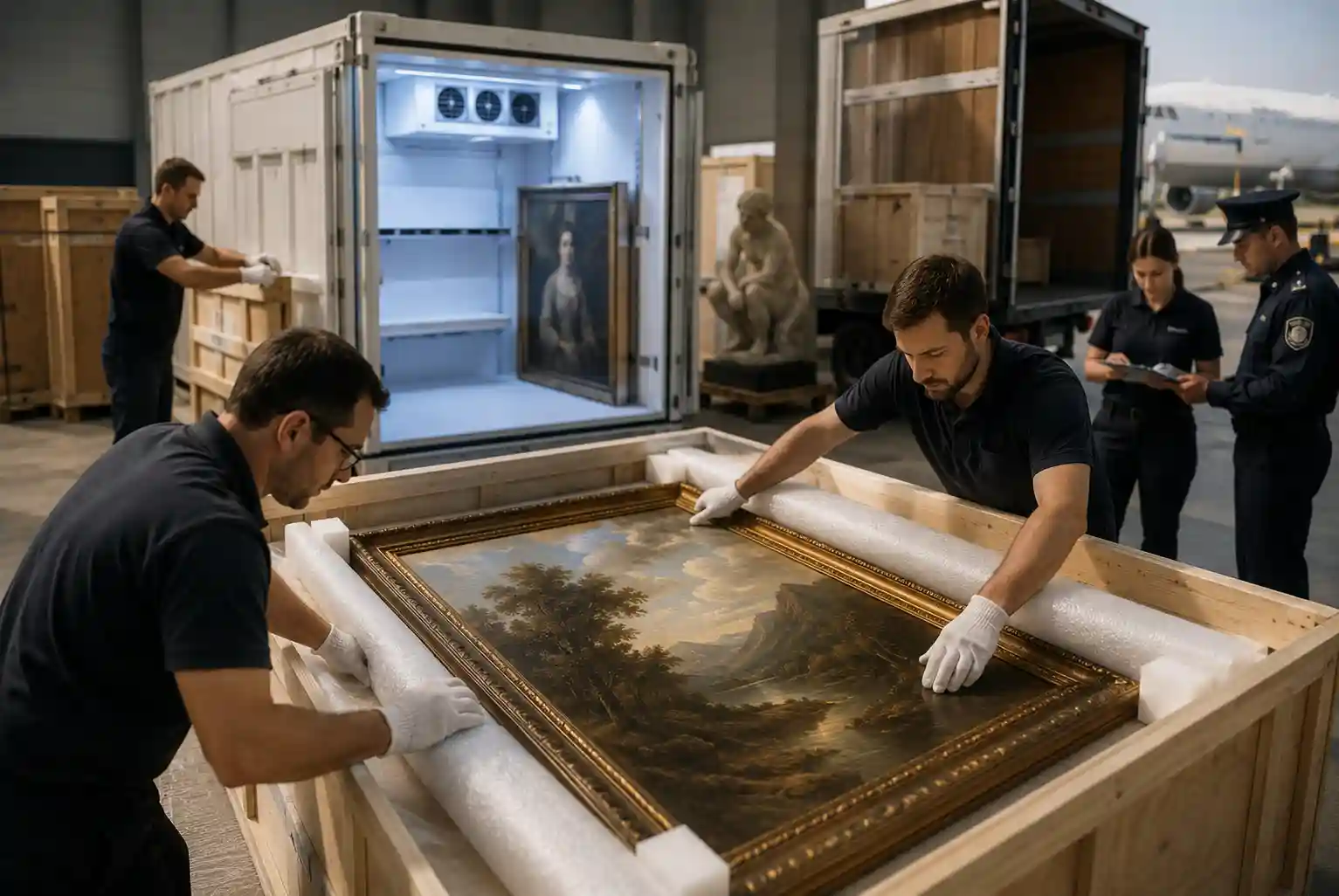
THE LOGISTICS OF FINE ART MOVING: TEMPERATURE CONTROL, BESPOKE CRATING, AND CUSTOMS CLEARANCE
Relocating priceless masterpieces requires museum-grade precision, as exposure to environmental shifts or transit vibrations can cause irreversible damage like craquelure. This comprehensive guide explores the highly specialized logistics of fine art moving, detailing how professionals maintain stable micro-climates, engineer shock-absorbing bespoke crating, and successfully navigate complex international customs protocols to safeguard cultural heritage across the globe.
 Post Feedback
 Gallery
 Awards & Media
 FAQ
FAQ CSR & Sustainability
.svg)