






DIY MOVE VS PROFESSIONAL MOVERS: WHY GOING SOLO COULD COST YOU MORE
Introduction
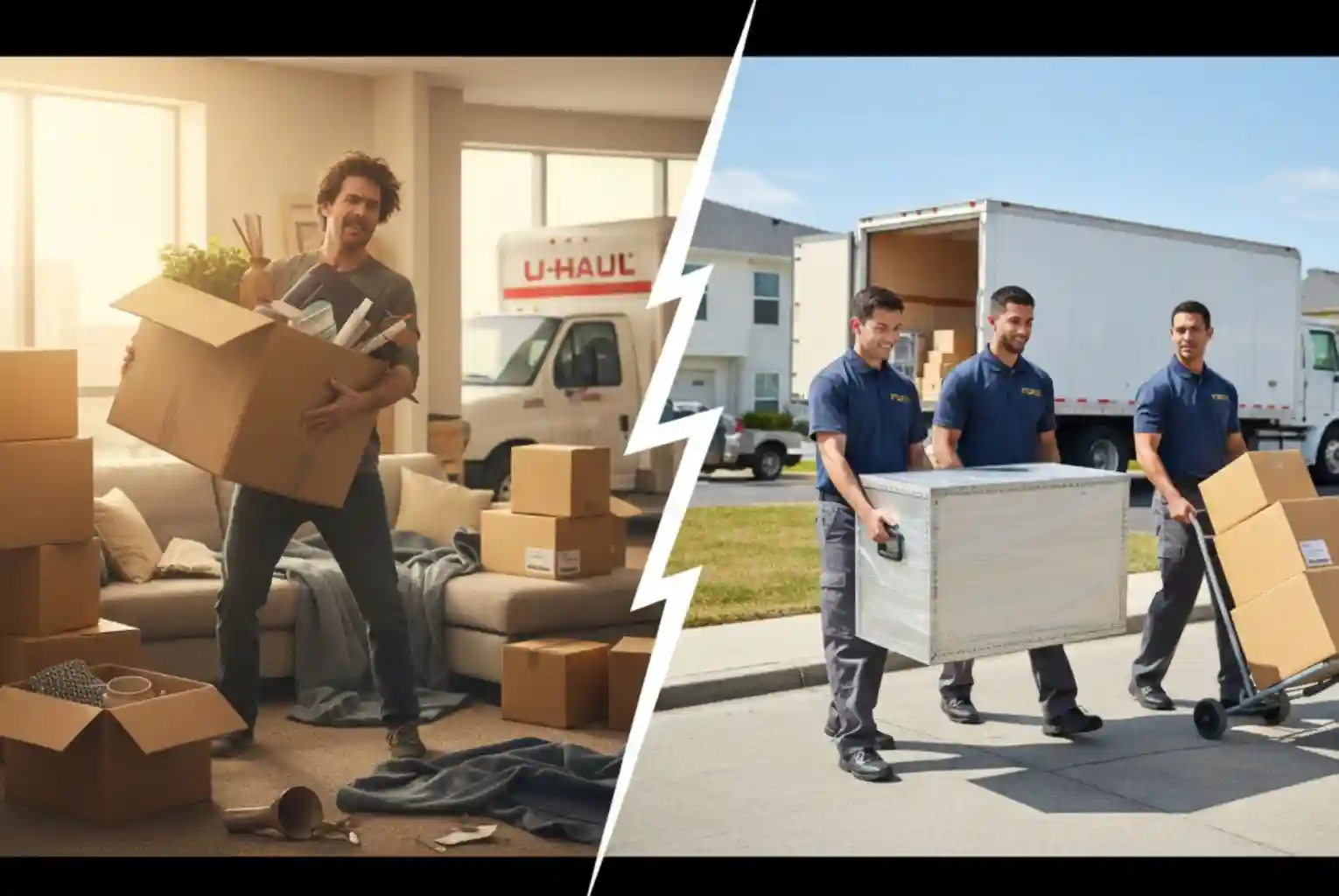
When it comes to relocating, many homeowners consider whether they should handle the move themselves or hire experts. The idea of a DIY move might seem cost-effective at first glance, but understanding the DIY move vs professional movers debate reveals a deeper truth: the apparent savings can quickly disappear. From hidden expenses to unforeseen challenges, a DIY move may end up costing far more than initially anticipated. In this blog, we’ll explore why hiring professional movers could be the smarter, safer, and ultimately more economical choice.
The True Cost of a DIY Move
In the beginning, planning a DIY move may seem like a simple method to cut costs. You might think that by hiring a truck and transferring your belongings with relatives or friends, you're saving money. But this idea is often a misperception of the actual cost of a DIY move. Beyond the rental truck, there are packing materials, fuel, tolls, and other necessities which can quickly add up. What initially seems like a cost-effective option can quickly surpass the cost of professional moving services.
Hidden Costs That Make DIY Moves Expensive
A major risk of DIY moving can be the hidden costs involved in self-moving. These are expenses that don’t always factor into the initial plan, such as:
- Packing supply costs for boxes, bubble wrap, tape and other materials for protection
- Food and refreshments for helpers during the move
- Additional fuel and mileage for long distances
- Unexpected repairs to rented moving equipment
- Insurance or liability costs for accidents
Time and Stress: An Overlooked Expense
Beyond financial considerations, the duration and stress of moving can be a burden. DIY moves require careful planning, careful packing and the coordination of family members, which can take many days. From loading and unloading the truck to assembling furniture for the new home, the process can be physically and mentally exhausting. Professional movers, on the contrary, have expertise, efficiency, and specific equipment that allows homeowners to focus on getting settled into the new place instead of battling the logistics.
Risk of Damage and Injuries
The most important aspect to consider in the DIY and professional moving debate is safety. Moving heavy furniture or fragile items with inadequate tools or techniques could cause injuries to yourself or your items during a move. Broken appliances, scratched floors, and chipped furniture are common risks for DIY movers. Also, lifting heavy objects without prior experience could lead to injury during the move, such as joint and back strain. Employing professionals reduces the risk as trained movers adhere to security protocols and use equipment that is designed specifically for large lifting and fragile objects.
Long-Distance Moves Add Complexity
The challenges of a DIY move increase when it comes to tackling a long-distance DIY move. Driving a rental truck across different states, traversing unfamiliar routes, and scheduling fuel stops are exhausting and stressful. Moving across long distances also increases the chance of delays, costs for mileage, and unplanned overnight stays that can significantly increase the moving expenses. Professional movers provide specialized services for long-distance moves, with security-grade transportation, tracking systems, and insurance.
Budgeting: DIY vs Professional Movers
Many homeowners choose a DIY move to reduce costs; however, the cost of hiring movers is often more predictable and transparent. Professionals can provide estimates for the cost of packing, labour, transportation and insurance, which can help you create a precise move budget. Contrary to this, DIY-based moves are prone to risk of unexpected costs and uncertainty that can sabotage the most meticulously planned financial plan. Although some might try to make a few alterations for savings, doing so could result in higher costs if damage or accidents happen.
Pros and Cons of a DIY Move
It's crucial to consider the DIY moving pros and cons before deciding. On the positive side, the DIY move offers flexibility and control over the timetable and an underlying satisfaction of savings. But the cons are substantial: physical strain, a higher risk of injury, hidden expenses, and stress. However, hiring professionals gives peace of mind, security and efficiency, and even long-term savings through protecting yourself from injuries and damage.
Insurance and Liability
Another factor to think about when deciding on DIY move vs professional movers’ situation is insurance. If you are moving on your own, there is a chance that you will have limited protection for lost or damaged objects unless you buy additional insurance. Professional movers typically offer insurance with their services to ensure that your belongings are covered throughout the moving process. This extra protection could save you thousands of dollars in the case of a disaster or unexpected damage.
Conclusion: Making the Right Choice
Although the idea of doing a DIY move might at first appear appealing, understanding the DIY move vs professional movers debate shows that price is just one aspect. Hidden costs, the possibility of injury or damage, the stress that comes with it, and the complexities of long distances can all make DIY moves more costly in the end. Professional movers provide expertise, insurance, and peace of mind that help make the move easier and more secure. If all the factors are considered, hiring movers is usually the better option to ensure an efficient, safe and hassle-free relocation.
Our Blogs

HOW TO MOVE TO JAPAN FROM INDIA: A COMPLETE RELOCATION GUIDE
Planning to move to Japan from India? This detailed relocation guide covers everything you need to know before making the move, including Japan visa requirements for Indians, Certificate of Eligibility, moving costs, air and sea freight options, customs clearance, shipping household goods, finding accommodation, managing living expenses, and completing important arrival formalities. It also includes practical budgeting tips, a pre-move checklist, and helpful guidance to make your relocation to Japan smoother, more organized, and stress-free with professional international moving support.
THE FIRST 24 HOURS AFTER MOVING: WHAT SHOULD YOU UNPACK AND SET UP FIRST?
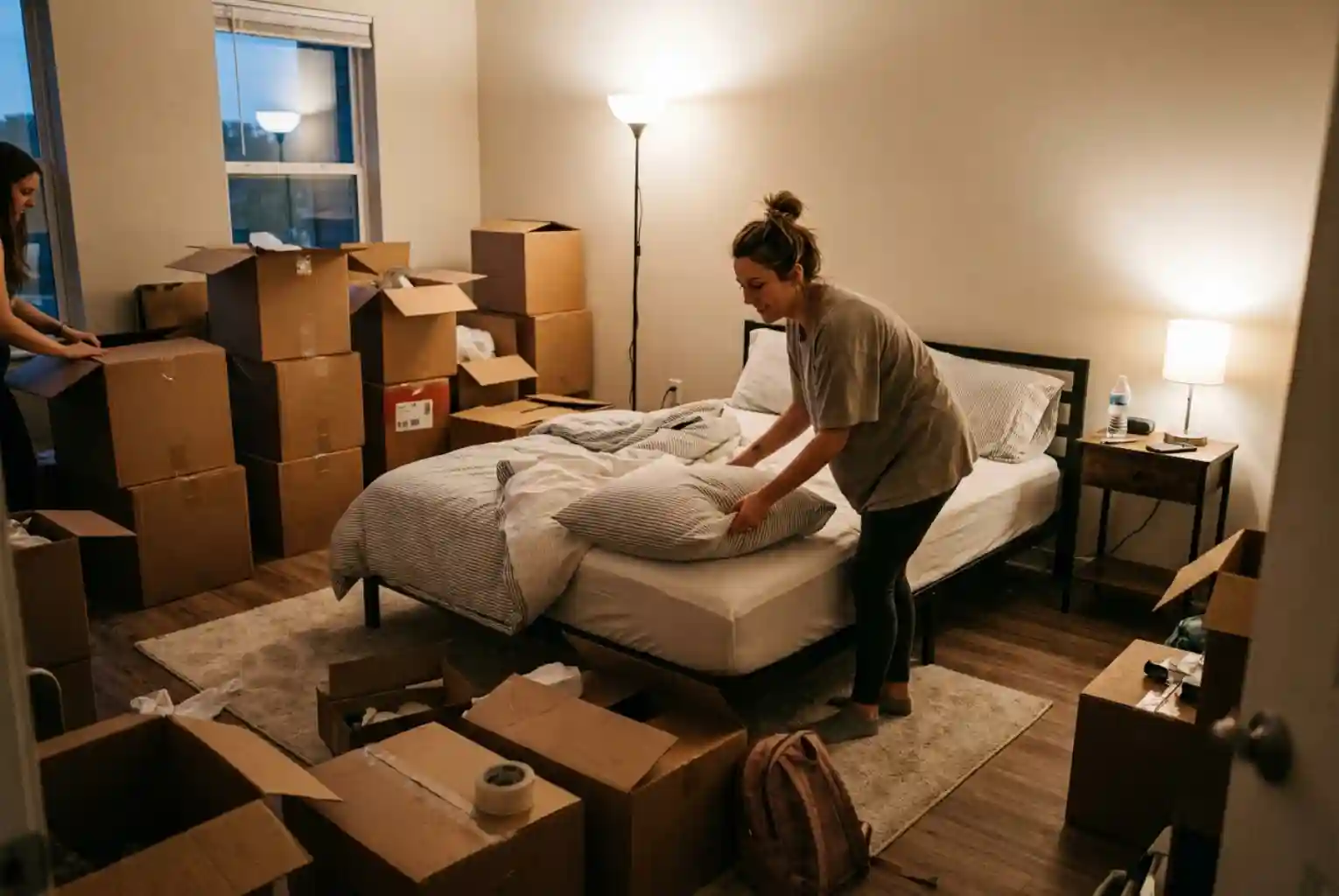
Moving into a new home can feel overwhelming, especially when you are surrounded by boxes and do not know where to start. This guide explains what to unpack first after moving and how to organize your first 24 hours. From checking safety and utilities to setting up the bathroom, bedroom, kitchen, clothes, and daily essentials, follow a simple order to make your new home comfortable and functional without unnecessary stress.

MOVING INTO A HIGH-RISE? THE RELOCATION PROBLEMS NOBODY WARNS YOU ABOUT
Moving into a high-rise apartment comes with challenges most people do not expect. From lift bookings and parking limits to bulky furniture, building rules, and moving delays, discover the hidden problems of high-rise relocation and how to plan a smoother, safer move.
 Post Feedback
 Gallery
 Awards & Media
 FAQ
FAQ CSR & Sustainability
.svg)