






HOW TO SAFELY PACK KITCHEN ITEMS FOR A STRESS-FREE RELOCATION
Introduction
Moving can be exciting; however, one of the toughest jobs when moving can be packing kitchen equipment. In contrast to books or clothes, the kitchen is filled with delicate, oddly shaped, and important items that require special attention. From plates and glassware to cookware and appliances, every piece of equipment requires a meticulous plan to ensure that it arrives at your new home in a single piece. If you follow the correct method and a little patience, you will be able to simplify this process and eliminate the stress and anxiety that usually come with it.
Why is the Kitchen the Most Challenging Space to Pack?
When you start shifting kitchen items, you'll discover why this area of your home requires more attention. Kitchens are full of fragile dishes, sharp cutlery, large cookware, and small appliances that require various packing techniques. Additionally, the food items, cleaning supplies, and spices add an additional dimension of complexity. If you don't use the right approach, it's easy to squander time, break valuables, or even bring items you don't need.
What Supplies Do You Need Before You Start?
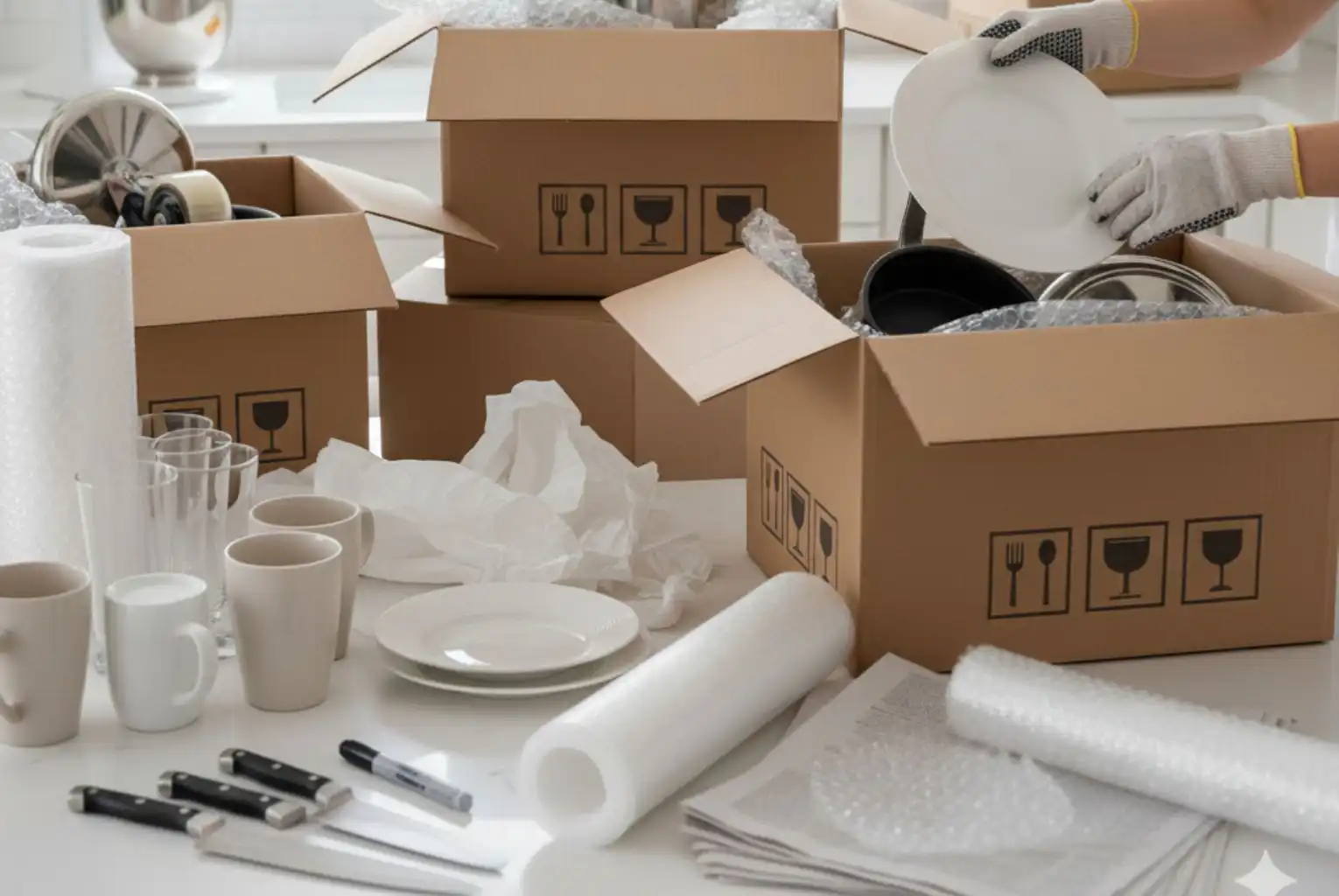
Before you begin the process, make sure that you have all the ingredients for packing your kitchen in place. You'll require sturdy boxes of various sizes as well as packing paper, bubble wrap, markers, tape, and glassware dividers. Consider double-walled boxes for large products and label them clearly. A good supply can make the job easier and lower the risk of breaking during transportation.
Step-by-Step Guide on How to Pack Efficiently
One of the most effective packing tips is to organise your packing. Begin with items that you seldom use, like holiday serving dishes, and slowly move to everyday necessities. This will allow you to maintain functional kitchen appliances as long as possible before you relocate. Make sure that your items are dry and clean prior to wrapping them, since moisture can cause damage to both the product and the material used to wrap it.
How Do You Protect Fragile Kitchenware?
Glasses, dishes, and ceramics need extra care. If you're unsure of the most efficient method of packing fragile plates to move, the answer is straightforward: wrapping each plate in bubble wrap or packing paper and then placing them in a sturdy storage container. Vertical positioning decreases pressure and can prevent cracks. For glasses, you can use separators or wrap them in a single layer and then cushion the spaces using crumpled paper.
What’s the Safest Way to Pack Dishes and Glasses?
If you are looking for safe packing for dishes, use lots of cushioning material. Beware of stacking heavy objects over fragile ones. The bottom of every carton is wrapped with crushed paper or foam sheeting to cushion the shock. The key is to prevent any movement within the box, so make sure to fill in the gaps with padding before sealing.
How Should You Handle Small Appliances?
If you're not sure how to pack a coffee maker as well as small appliances, begin by taking off detachable components. Cover cords in a separate way, as well as secure loose components, and wrap each piece of equipment in bubble wrap. Put the appliance back in the original packaging if you have it or in a cushioned carton. Label the box with "Fragile" and "This Side Up" to ensure safe handling during transport.
DIY Tips for Cookware and Heavy Items
Cookware may not be as fragile, but it's heavy. If you're thinking about homemade packing tips for pans and pots, put pans of similar sizes and place a protective sheet between them to protect them from scratches. Cover glass lids separately and store them in separate containers. Do not overload one container with too many items since it could cause lifting to be dangerous and increase the risk of breakage.
Moving Hacks for an Organized Kitchen
One of the most useful moving hacks for kitchen essentials is to create a “first-day box.” Pack some everyday items like dishes, cups, cutlery, a few plates, and other basic kitchen tools in a clearly labelled box. This will save you from rummaging through several boxes upon arrival at your new home. Also, you can use zip-locks with transparent bags for spices or small kitchen utensils so that you'll be able to quickly locate the items you require.
What Should You Use to Wrap Dishes?
Many people ask what the best way is to wrap dishes during a move--the most secure and practical alternative is to pack them in paper. Although newspapers might seem like an alternative, the ink could be transferred and cause staining to your dishes. Bubble wrap is a great cushion, so a combination of both materials works best.
Making a Pre-Move Checklist
A checklist for packing a kitchen before a move can be a lifesaver. Separate it into categories like fragile items, cookware, appliances, pantry products, and cleaning products. Make sure to mark each category as you proceed. A checklist will ensure that nothing is lost and will help you stay on track throughout the process.
Wrapping Up the Kitchen Move
Learning how to pack the kitchen for moving is more about strategy than speed. If you start early, utilise the correct equipment, and organise every category, you can ensure that the process is easy and effortless. Each kitchen is unique, yet the basic principles of wrapping, cushioning, and labelling are the same.
Final Thoughts
Our Blogs

HOW TO MOVE TO JAPAN FROM INDIA: A COMPLETE RELOCATION GUIDE
Planning to move to Japan from India? This detailed relocation guide covers everything you need to know before making the move, including Japan visa requirements for Indians, Certificate of Eligibility, moving costs, air and sea freight options, customs clearance, shipping household goods, finding accommodation, managing living expenses, and completing important arrival formalities. It also includes practical budgeting tips, a pre-move checklist, and helpful guidance to make your relocation to Japan smoother, more organized, and stress-free with professional international moving support.
THE FIRST 24 HOURS AFTER MOVING: WHAT SHOULD YOU UNPACK AND SET UP FIRST?
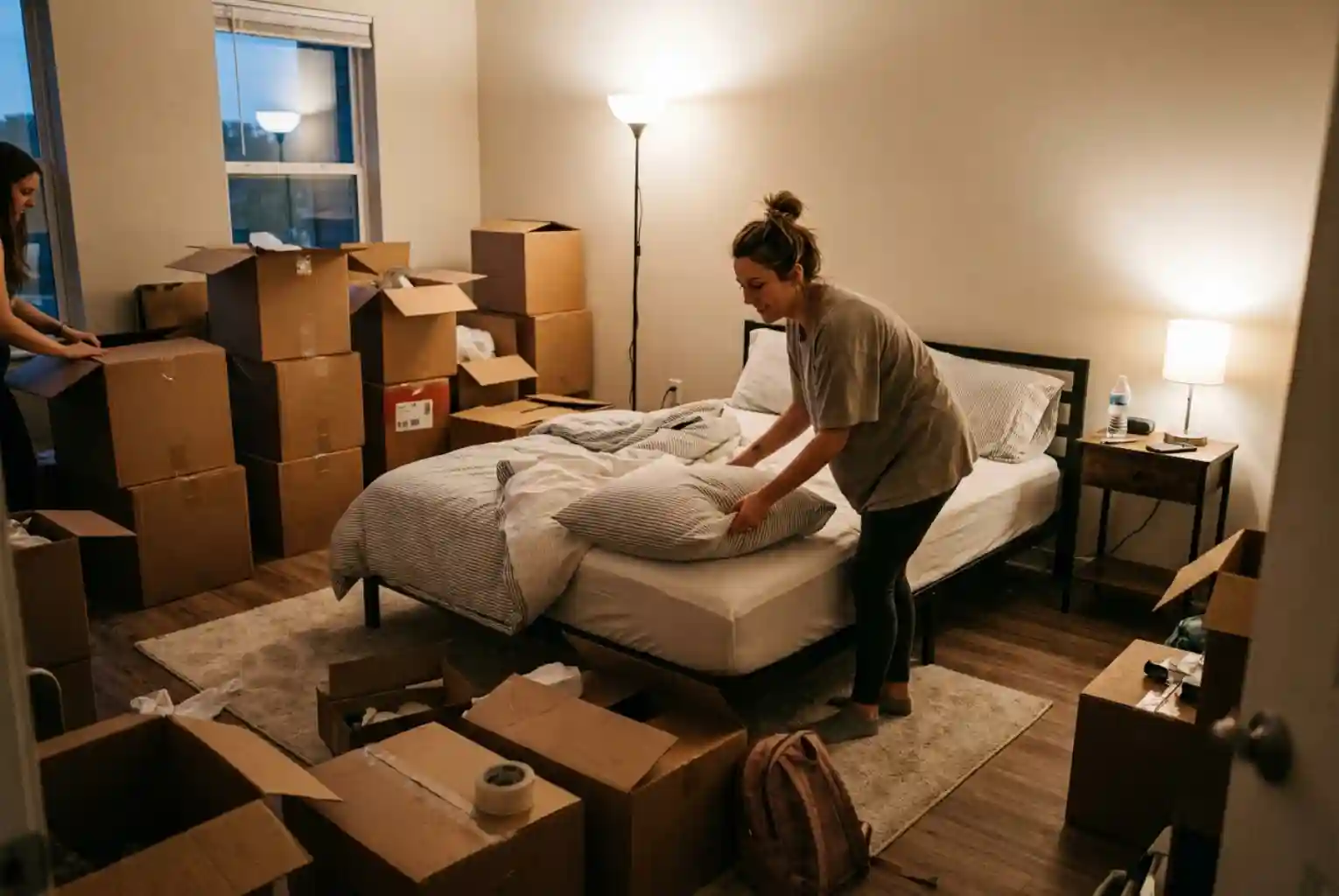
Moving into a new home can feel overwhelming, especially when you are surrounded by boxes and do not know where to start. This guide explains what to unpack first after moving and how to organize your first 24 hours. From checking safety and utilities to setting up the bathroom, bedroom, kitchen, clothes, and daily essentials, follow a simple order to make your new home comfortable and functional without unnecessary stress.

MOVING INTO A HIGH-RISE? THE RELOCATION PROBLEMS NOBODY WARNS YOU ABOUT
Moving into a high-rise apartment comes with challenges most people do not expect. From lift bookings and parking limits to bulky furniture, building rules, and moving delays, discover the hidden problems of high-rise relocation and how to plan a smoother, safer move.
 Post Feedback
 Gallery
 Awards & Media
 FAQ
FAQ CSR & Sustainability
.svg)