





Please Wait...
Get Quote

Services

Blogs

Blogs

Introduction

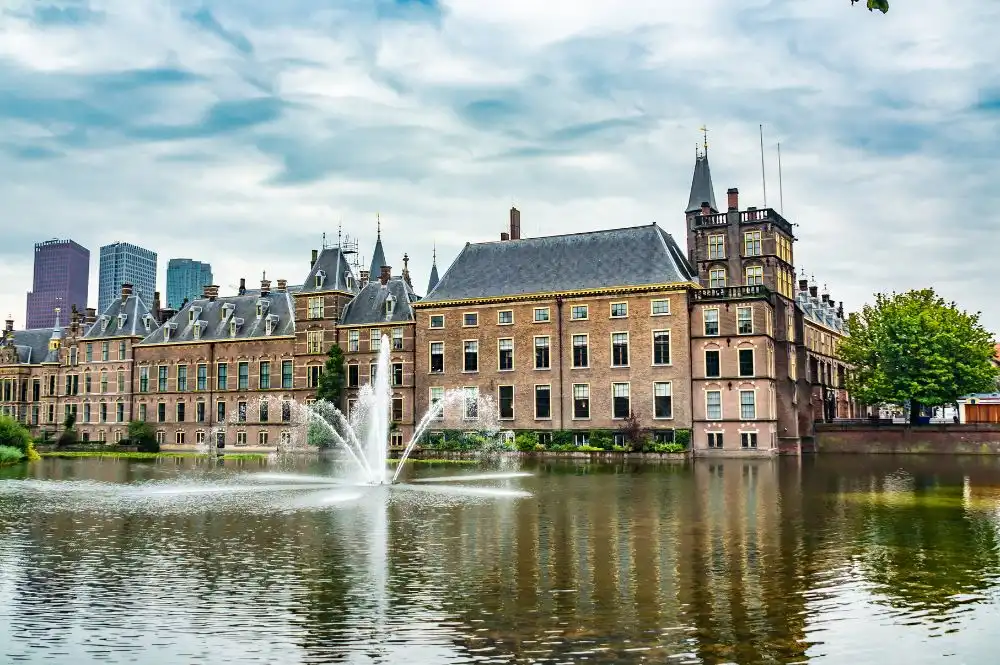
Netherlands, which is also informally known as Holland, is a country small in size but full of wondrous elements. The ambiance of this country is welcoming and allows room for a peaceful way of living. You can amaze yourself by witnessing here the marvellous bulb fields, cheese markets, wooden shoes, and windmills. The famous canals of Amsterdam are present here too. Witness the masterpieces of Old Masters, realise the essence of Delft Blue earthenware, study one of the most innovative water-management systems in the world and millions of bicycles that you might not be able to see elsewhere.
There are growth opportunities, an amazing standard of living, quality of life, easy access to everyday resources, unique and vibrant culture and what not else here! However, while there are so many positive points concerning relocating to this place, there might be certain doubts too, asking for answers…
Therefore, in this blog, we have listed the top 5 FAQ people have regarding moving to Netherlands:

Safety concerns regarding the Netherlands?

The theory says that there is no place in the world present that guarantees a 100% secure environment. But as far as the safety measures regarding the Netherlands are concerned, the violent crime rates are really low. The people are generally walking along the streets alone in safety. But there is one crime that is really common in the Netherlands. As the bicycles count is a lot in here, that is why, the theft of bicycle is common too. Therefore, one must be aware about their surroundings and park the bicycles where there is complete vigilance.
Another fairy common crime that takes place in the Netherlands is pickpocketing. It happens mostly in the crowded tourist areas. Thus, it is expected of the expats to be highly aware about their surroundings and their belongings because they would never come to know when anything is stolen from them just through a brushing or a bumping while passing by. Hence, it is advised that you take complete care of your valuable belongings.

Is it very important to learn the Dutch language?

No, it is not a thumb rule for expatriates to learn & speak Dutch when in the Netherlands. Most of the people here are able to converse as well as understand English language. However, if you intend to permanently settle in this place, learning Dutch might become a necessity as it is most commonly used when interacting with locals. Also, locals would be able to interact more freely and frankly if you attempt to learn and speak in their language. Such kind of efforts are usually appreciated. It will help you settling in in a more flexible manner.

Is there any kind of discrimination practised in the Netherlands?

If you’re worrying about being accepted over there because of your differences & identity, then do not be worried. This is because the environment in this place is quite the friendly one and people will eagerly and easily be accepting you for who you are. However, if we talk of discrimination, yes, there is some of it observed in this place. But what is it about? A source from the study conducted in 2021 portrays “Persistent labour market discrimination on ethnic grounds, of older people, of pregnant women, and of disabled people.” However, this doesn’t mean that your experience will be bitter or worse. The way people think, and their mindsets vary from one place to another. Hence, the experiences with everybody need not be the same.

Why is the life expectancy high in the Netherlands?

Well, one of the most amazing things about Netherlands is its high rate of life expectancy. This is due to the sharp increase in healthcare facilities provided here. This is especially for the elderly. It has been accelerated by a relaxation of financial limitations in the health care system as well.

In terms of global ranking, how good is Netherlands to live in?

The Netherlands is proud to rank amongst the top 10 in the list of “best countries to live and work in”. So, yes, there is always a good reason for relocating here, no matter if it’s for work or education or other factors.
Hope the preceding FAQs and their answers were able to give you with the essential information. These solutions address the key concerns associated with relocating to this country. If you want to learn more about other significant countries, check out our other FAQs in the series, which aims to answer as many questions as possible about the world's largest countries. It also puts to light the major issues of the general populace.
So, if you are moving to  Netherlands, know that PMR is only a phone call away! Relocate to a new nation right away with our hassle-free relocation aid and settling-in services. Contact us if you want a stress-free moving experience. To get your personalized price today, call us at 8282827356 or email us at moving@pmrelocations.com.

Our Blogs

MOVING INSURANCE IN INDIA: WHAT YOUR PACKERS AND MOVERS WON'T TELL YOU BEFORE YOU SIGN

Moving insurance in India is often misunderstood, leaving customers vulnerable to hidden clauses, rejected claims, and unexpected losses during relocation. This guide explains what packers and movers usually don’t tell you before you sign, including coverage limitations, claim processes, policy exclusions, and practical ways to protect your belongings during transit.

MOVING ABROAD WITH AGING PARENTS FROM INDIA: THE MEDICAL, LEGAL, AND LOGISTICAL CHECKLIST NOBODY GIVES YOU

Planning an international move with elderly parents involves far more than packing boxes and booking flights. From managing medical records and healthcare access to understanding visa rules, legal documentation, emotional well-being, and daily support systems, this guide covers the essential medical, legal, and logistical checklist that families often overlook when relocating aging parents from India abroad.

MOVING ABROAD FROM INDIA? 11 EVERYDAY ITEMS THAT CUSTOMS WILL FLAG. AND MOST PEOPLE NEVER SEE IT COMING

Moving abroad from India? Many everyday household items that seem harmless can trigger customs inspections, delays, fines, or even confiscation during international relocation. From medicines and spices to electronics, jewelry, and personal valuables, this guide explains the 11 most commonly flagged items and how to avoid costly customs problems while relocating overseas smoothly and legally.

Get
Key Highlights
Key Highlights