




WHAT SHOULD YOU EXPECT WHEN MOVING TO A DIFFERENT CLIMATE?
Introduction
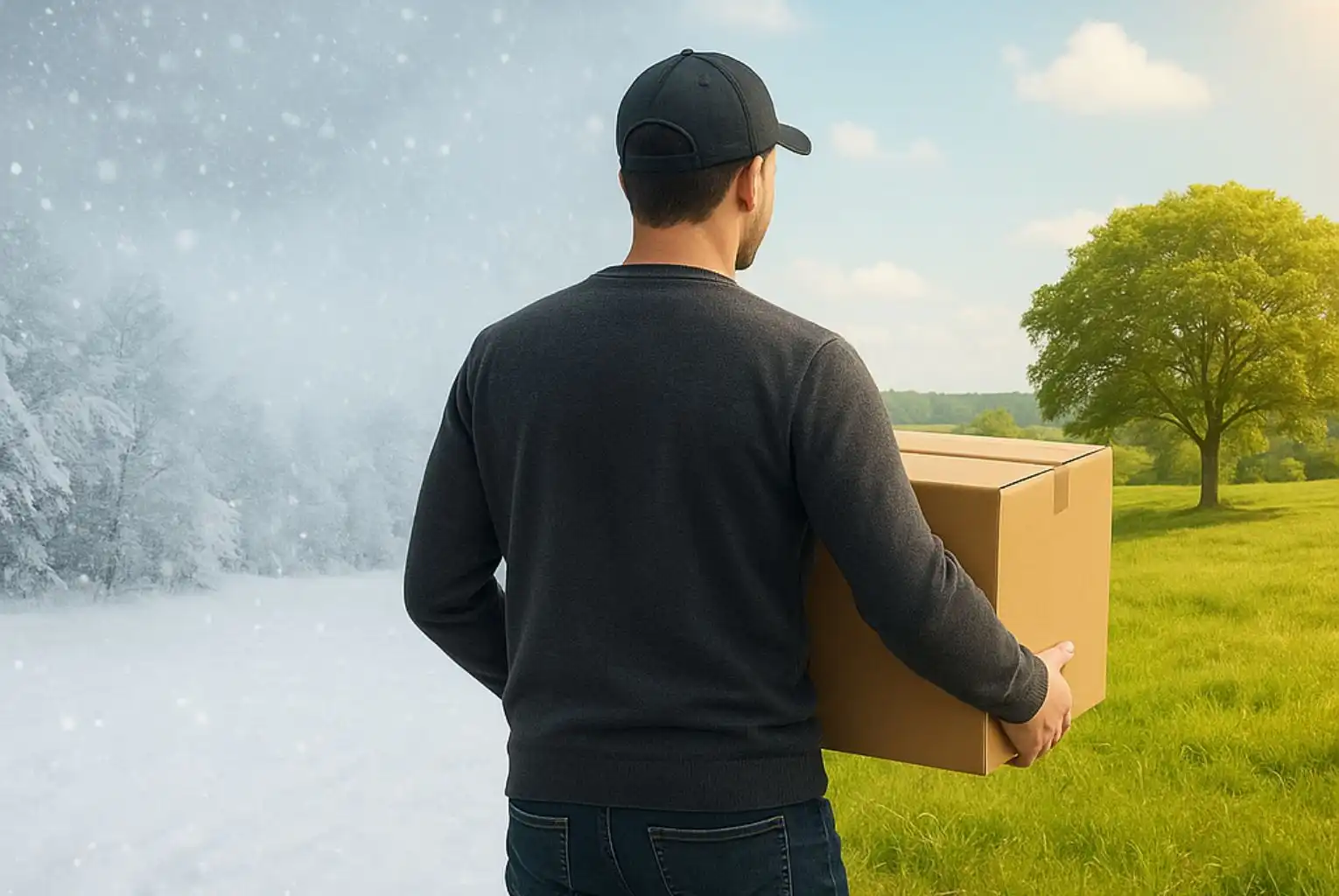
Moving to a new location typically brings new opportunities, fresh surroundings, and sometimes a completely new environment to adapt to. Among the biggest changes, moving to a different climate can be exciting as well as challenging. The climate affects how we live, what we wear, what we eat, and how we interact. Understanding what lies ahead ensures you settle in with less stress and more confidence.
The Initial Adjustment Phase
The initial few weeks after moving can be overwhelming as adapting to a different climate can affect your mood, energy levels, and routine. In colder areas, you may need to adjust your diet or commute, as hot climates usually require more water in addition to sun safety. Your body requires time to adjust to the changing weather conditions, and so it's normal to feel a bit uneasy at first.
Practical Tips for Moving to a Different Climate
Planning ahead makes adaptation easier. Some helpful tips for moving to a different climate include studying seasonal weather patterns, rearranging your wardrobe prior to moving, and arranging essentials such as fans, heaters, or air purifiers, based on the destination you're heading to. In addition, talking to the locals could give insight into how people naturally deal with extreme weather.
Relocating to a New Climate Zone
In the case of many people, moving to another climate will require a thorough understanding of risky weather conditions. People who move from coastal regions to desert areas, for instance, must be aware of heat waves, whereas those living in mountains need to be prepared for changes in altitude. Families need to pay attention, as children typically adjust more slowly than adults. Awareness helps you anticipate changes instead of being surprised by them.
Preparing Yourself and Your Home
When you are preparing for a new climate, you need more than just the right clothes. Your home should also be climatically ready. In colder areas, you need insulation and reliable heating systems, while hot, humid areas might require ventilation, dehumidifiers, or windows with shade. Making sure your living space is set up correctly will improve comfort and decrease cost in the end.
Challenges of Moving to a Different Climate
There are a variety of difficulties in changing climates that one might not anticipate. They could be a result of dry skin, allergies, or fatigue. In terms of mental health, you may need to deal with shorter hours of daylight in colder climates or intense heat in warmer areas. Preparing for these shifts will allow you to manage them in a proactive manner rather than reacting afterward.
Smart Packing for a New Climate
The most crucial actions involve packing for a new climate. Instead of carrying everything, select the most versatile and necessary things. In colder climates, make sure you have warm layers, insulated boots, and warm accessories. For warm or tropical climates, breathable cotton, light footwear, and rain gear are must-haves. Don’t forget health supplies, skincare, and any climate-specific household items.
Considering the Health Effects of Climate Change
The adverse health effects caused by changes in the climate can be evident following a move. A sudden change could result in asthma, allergies, or joint discomfort. Patients with existing conditions need to consult their physician before making the change. Establishing healthy habits, such as eating seasonal food and exercising regularly, helps your body adapt to changes more easily.
Adapting to a New Weather Pattern
Patience is essential when adapting to a new weather pattern. It is possible that you will need to alter your outdoor routine, wear protective gear, or establish new routines for hydration and rest. Observing how locals handle the seasons can be an excellent guide in building your own comfort zone in the new environment.
Lifestyle and Family Adjustments
For many, one of the biggest changes is what to expect when moving from a cold climate to a hot climate. Commonly, experiences include sunburn, dehydration, and changing energy levels. Making cool indoor spaces and keeping a steady pace with outdoor activities can help.
Beyond that, you should consider strategies to adapt to a new environment for your children. Children can take longer to settle in, so make sure you have suitable clothes and a comfortable bed and slowly introduce them to routines outdoors. Fun with bright outdoor gear can make the transition easier.
Dressing for Comfort and Survival
A frequent concern is what clothes to wear if you are moving to a tropical environment. The lighter fabrics, such as linen and cotton, as well as sandals, wide-brimmed hats, and sunglasses, are essential. Also, those who move to colder regions should focus on good layering rather than heavy packing. Finding out what's best for your climate can help you feel comfortable and confident.
Surviving Your First Year in a New Climate
The first 12 months are the most difficult. Surviving your first year in a new climate requires a lot of flexibility and willingness to adapt. Be aware of local customs, try seasonal activities, and don’t hesitate to ask for advice. Over time, routines that once felt challenging become second nature, and the new climate will be a familiar one.
Conclusion
Moving to a new environment is a process of growth and adaptation. Although the process may seem overwhelming at first, with a little preparation and perseverance, you'll become comfortable in your new home. From packing wisely to adjusting health routines and preparing your home, each step helps make the transition easier.
At PM Relocations, we understand that moving isn't simply moving your belongings around--it's about getting ready for a new style of living. With our expertise and customized services, we will ensure that the transition into a new environment and home is smooth, easy, and full of confidence.
Our Blogs
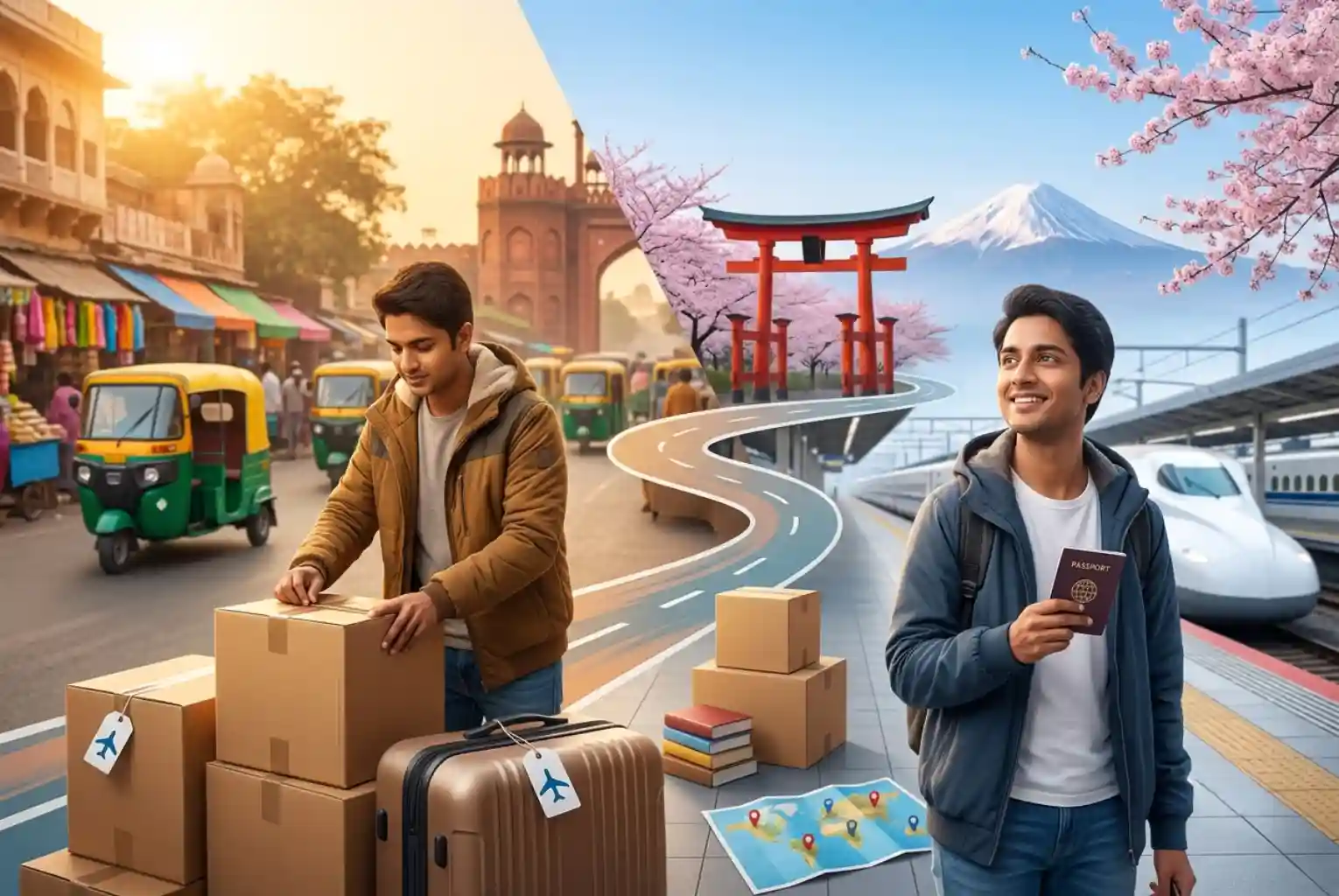
HOW TO MOVE TO JAPAN FROM INDIA: A COMPLETE RELOCATION GUIDE
Planning to move to Japan from India? This detailed relocation guide covers everything you need to know before making the move, including Japan visa requirements for Indians, Certificate of Eligibility, moving costs, air and sea freight options, customs clearance, shipping household goods, finding accommodation, managing living expenses, and completing important arrival formalities. It also includes practical budgeting tips, a pre-move checklist, and helpful guidance to make your relocation to Japan smoother, more organized, and stress-free with professional international moving support.
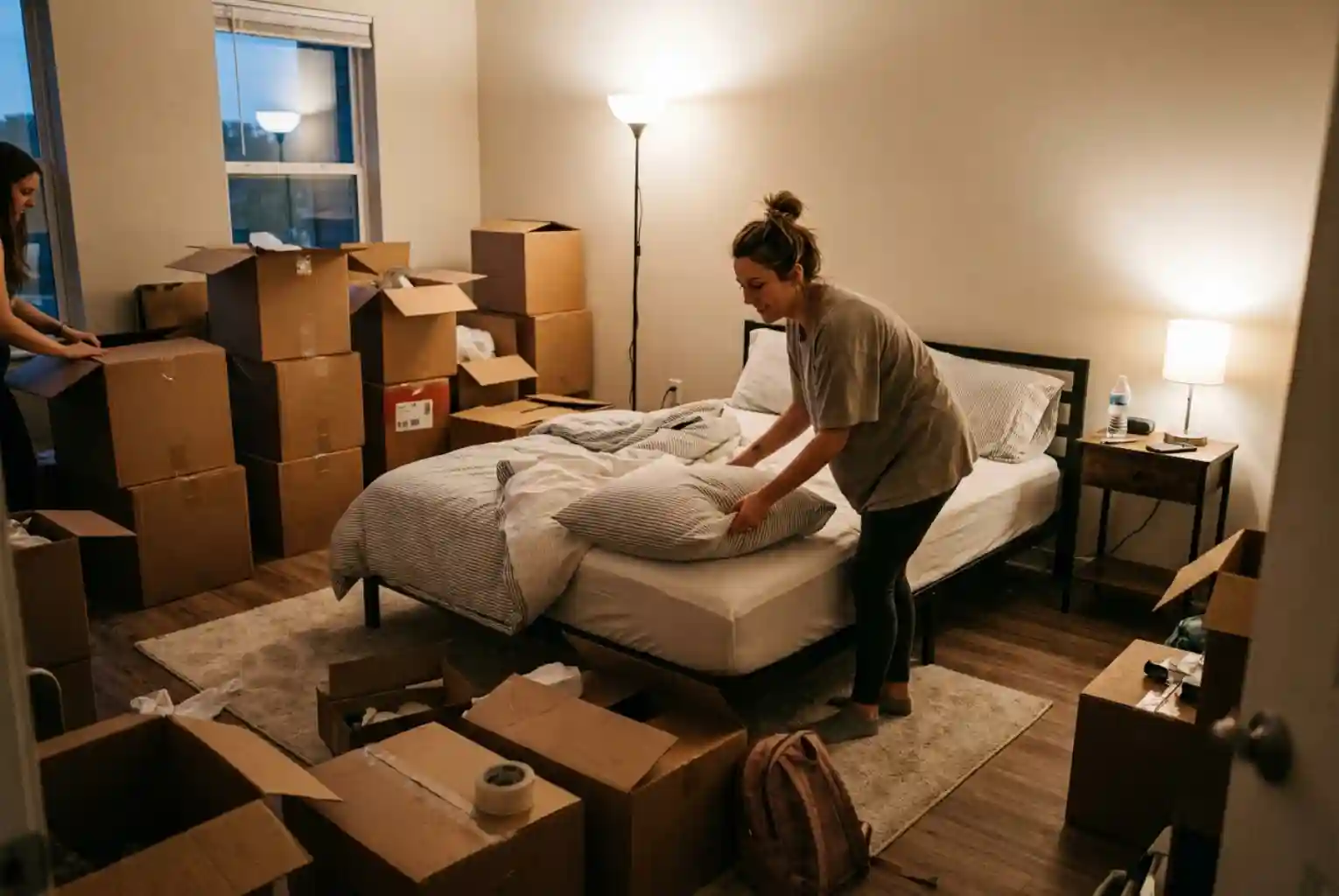
THE FIRST 24 HOURS AFTER MOVING: WHAT SHOULD YOU UNPACK AND SET UP FIRST?
Moving into a new home can feel overwhelming, especially when you are surrounded by boxes and do not know where to start. This guide explains what to unpack first after moving and how to organize your first 24 hours. From checking safety and utilities to setting up the bathroom, bedroom, kitchen, clothes, and daily essentials, follow a simple order to make your new home comfortable and functional without unnecessary stress.
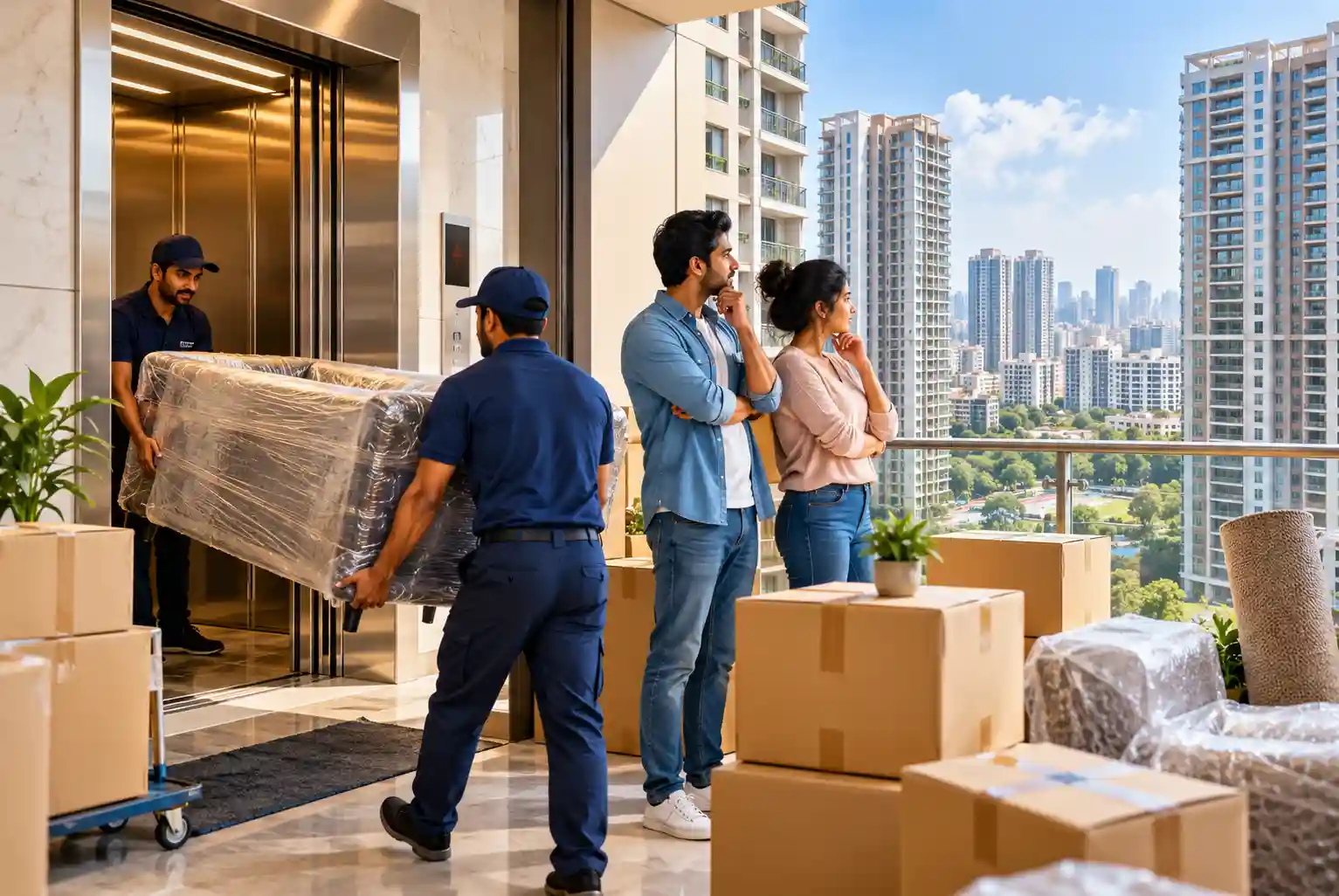
MOVING INTO A HIGH-RISE? THE RELOCATION PROBLEMS NOBODY WARNS YOU ABOUT
Moving into a high-rise apartment comes with challenges most people do not expect. From lift bookings and parking limits to bulky furniture, building rules, and moving delays, discover the hidden problems of high-rise relocation and how to plan a smoother, safer move.
 Post Feedback
 Gallery
 Awards & Media
 FAQ
FAQ CSR & Sustainability
.svg)