




NAVIGATING RELOCATION IN UNCERTAIN TIMES: HOW GLOBAL EVENTS SHAPE YOUR MOVE

Introduction
Relocating can be challenging under normal circumstances, but when external factors like strikes, weather disruptions, and economic instability come into play, the complexity increases significantly. A carefully thought-out relocation plan is key to ensuring an easy transition, no matter the circumstances. Understanding how moving during global events affects every aspect of your move—from timing to logistics—can save you time, money, and stress.
Understanding the Impact of Strikes on Relocation
Global events have an immense effect on moving schedules. Strikes, for instance, can disrupt transportation services or make certain relocation routes unavailable. Homeowners often underestimate this phenomenon - sudden strike actions disrupt moving trucks, elevator access in buildings, and even customs clearance procedures when shipping internationally. Knowing how strikes affect relocation enables you to pre-emptively plan alternative routes, flexible dates, and contingency measures to limit disruption as much as possible.
Weather Considerations for a Smooth Move
Weather can play an instrumental role in any relocation schedule; severe storms, floods, or extreme heat can create logistical nightmares if left unaccounted for. Thorough consideration must be given when considering weather and relocation to protect both your belongings and the people involved with your move; for example, fragile furniture during a storm can easily be damaged, while icy roads could delay transportation services significantly. Understanding how to move during bad weather with protective packaging tools, such as flexible moving dates and forecasting tools, will contribute significantly to an enjoyable relocation experience overall.
Economic Factors Affecting Relocation Plans
Economic instability can also play a significant role in shaping relocation plans. Fluctuations in fuel prices, currency rates, or inflation can increase moving costs significantly for both domestic and international relocations. Businesses may experience economic influences like shipping fees increasing dramatically or changing labor costs, leading to unexpected surprises at move time. Anticipating these challenges and planning accordingly are critical when facing economic instability; such strategies require careful evaluation of costs and budget planning strategies during uncertain times. This is especially relevant for those seeking advice on relocation challenges during economic changes, as a thorough assessment of costs and budgeting strategies becomes crucial in uncertain times.
Planning Ahead for Global Disruptions
To successfully navigate moving under uncertainty, preparation is your greatest ally. Understanding how global events impact relocation plans involves anticipating potential delays, communicating with relocation providers in advance, and having backup plans ready. For instance, if you know a political protest is scheduled along your moving route, you can arrange alternate paths or reschedule your move for a safer date. Businesses relocating during crises require clear communication with employees, vendors, and clients in order to maintain operational continuity.
International Relocation Considerations
Relocating internationally requires extra planning layers. Customs clearance, international shipping timelines, and local regulations may all be affected by global events. To ensure your move goes as smoothly as possible despite external disruptions, be sure to follow international relocation tips such as tracking shipment progress, verifying documentation in advance, and maintaining insurance coverage.
Practical Strategies to Minimize Risks
Practical strategies are an invaluable asset when moving during unexpected events, like strikes or protests, and should always be kept current. By keeping an updated checklist, open communication with moving service providers, and being prepared for sudden changes, stress levels can be significantly decreased. Tips for moving during strikes/protests such as planning outside known strike dates, verifying transportation options and keeping essential items close by may reduce stress significantly. While having a plan in place to protect belongings during extreme weather conditions (like waterproof covers/climate controlled storage solutions) will protect them against damage during moves and can minimize stress levels during unexpected events and minimize risks.
Financial Planning Amid Economic Uncertainty
Moving during economic uncertainty requires careful financial planning strategies. Understanding how to plan a move at such a time includes reviewing costs, anticipating fluctuations, and seeking cost-effective relocation solutions. This ensures any unexpected financial shifts don't derail your plans and can bring peace of mind when planning relocations. Flexible scheduling, modular packing, and early booking may all add value to a more seamless move experience.
Creating a Structured Relocation Plan
A successful relocation requires planning, foresight, and flexibility to be effective in unpredictable times. A well-crafted relocation planning guide during times of political or economic unrest is invaluable for both individuals and businesses, providing a roadmap through potential challenges like transport delays, regulatory changes, or unexpected obstacles that might arise during your move. By taking proactive steps such as this, you can ensure an efficient, safe, and low stress move experience.
Ultimately, being aware of moving during global events allows you to anticipate challenges and take practical steps to mitigate their effects. From strikes and adverse weather to economic fluctuations, every external factor can influence your relocation experience; yet with careful preparation, flexible planning, and expert guidance, your move can remain seamless, predictable, and stress-free despite unpredictable times.
When planning a relocation during challenging circumstances, partnering with experienced professionals like PMR can make all the difference. For more guidance and tailored relocation services, trust PMR to handle your move seamlessly.
Our Blogs
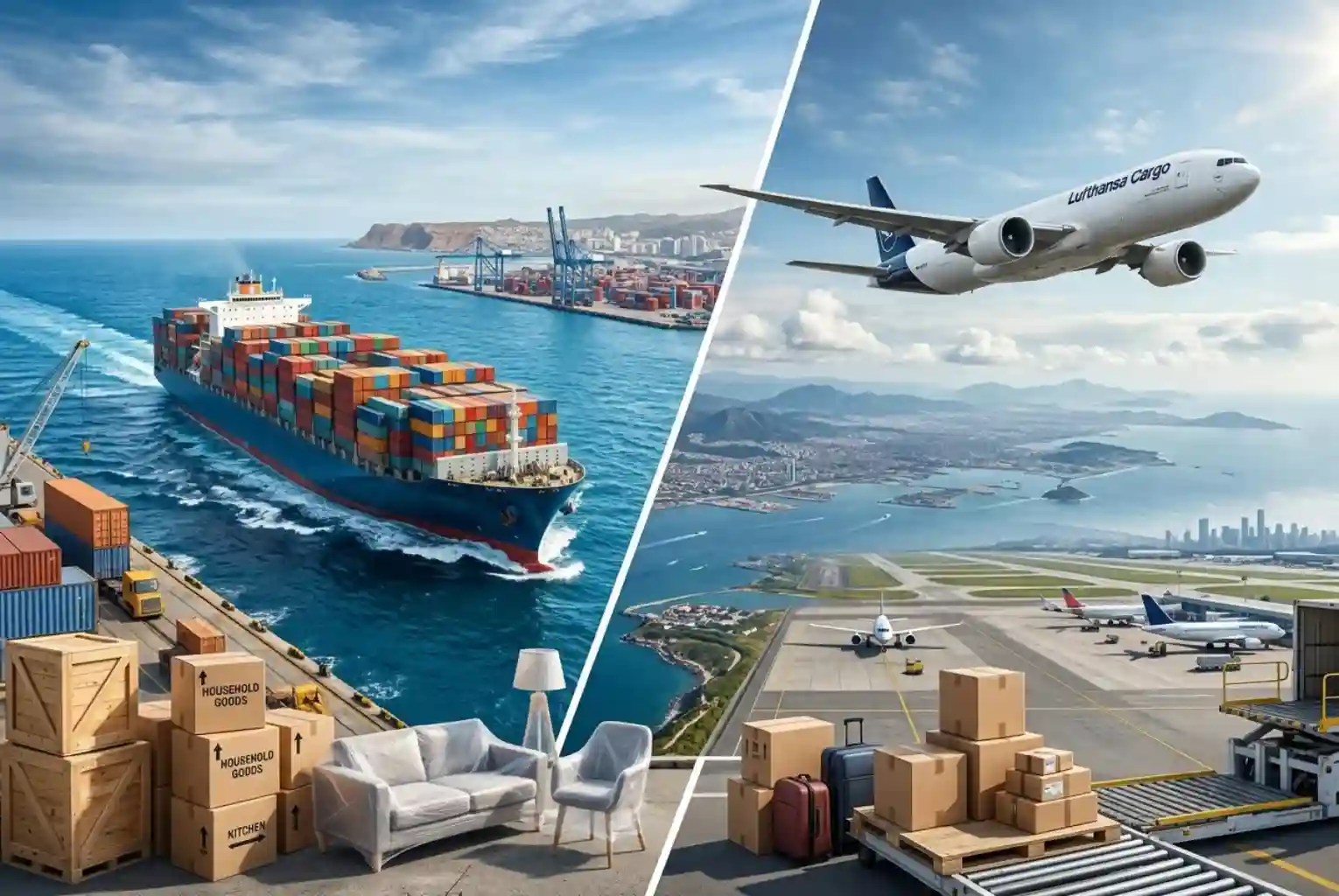
SEA FREIGHT VS AIR FREIGHT: WHICH IS BETTER FOR YOUR INTERNATIONAL RELOCATION?
Planning an international relocation? Choosing between sea freight and air freight depends on your budget, shipment size, and delivery needs. Sea freight is ideal for large household moves, while air freight is better for urgent shipments. Explore shipping costs, delivery times, customs requirements, and useful tips to choose the best option for a smooth and affordable international move.

MOVING TO THE NETHERLANDS FROM INDIA: VISA, SHIPPING COSTS & COMPLETE RELOCATION GUIDE
Planning on moving to the Netherlands from India? Discover everything you need to know about Netherlands visa requirements, international shipping costs, customs regulations, and essential documents. This complete relocation guide covers sea and air freight options, household goods shipping, pet relocation, and important steps to follow after arrival. Get practical moving tips, cost estimates, and expert advice to plan a safe, smooth, and hassle-free move from India to the Netherlands.

CUSTOMS CLEARANCE PROCESS IN INDIA: DOCUMENTS, STEPS & COMMON CHALLENGES
Understand the customs clearance process in India with this comprehensive guide covering essential documents, step-by-step clearance procedures, baggage rules, Transfer of Residence benefits, and common customs charges. Learn about the requirements for importing household goods, pets, and vehicles, and discover how professional international relocation services can help you prepare for a smoother, safer, and more organised move to India.
 Post Feedback
 Gallery
 Awards & Media
 FAQ
 CSR & Sustainability
.svg)