






SHARED VS DEDICATED TRUCK: WHICH IS BETTER FOR HOUSE SHIFTING?
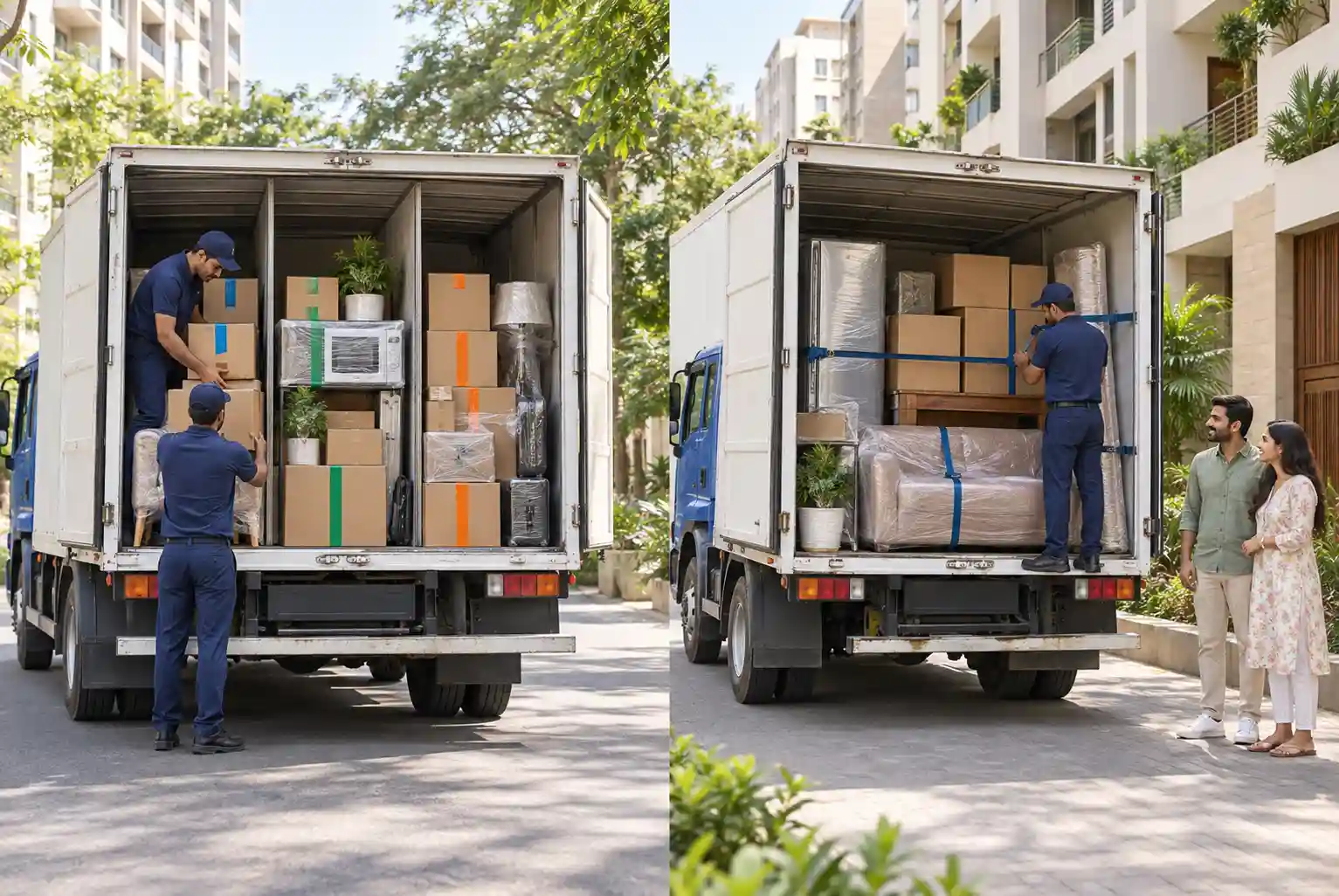
When you book packers and movers for your house shifting, one of the biggest decisions you will face is choosing between a shared truck and a dedicated truck. This choice affects your moving cost, delivery time, and even the safety of your belongings. Many people do not realise this option exists until a moving company asks them to choose. In this guide, we explain what a shared truck and a dedicated truck really mean, how they compare on cost and safety, and how to decide which one fits your move. By the end, you will know exactly which option makes sense for your budget and your timeline.
What Is a Shared Truck in House Shifting?
A shared truck, also called a part load truck or PTL (Part Truck Load), carries goods from more than one household or business at the same time. Your furniture and boxes travel in the same truck as another family's belongings. The truck follows a route with multiple pickup and drop points along the way.
This model works well when your load does not fill an entire truck. Instead of paying for empty space, you pay only for the portion of the truck your goods actually use.
What Is a Dedicated Truck in House Shifting?
A dedicated truck, also known as FTL (Full Truck Load), is booked only for your household goods. Nobody else's belongings travel with yours. The truck picks up your goods and drives straight to your new home without stopping to load or unload other shipments.
You pay for the entire truck, whether you fill it completely or not. In return, you get more control over the schedule and less handling of your items along the way.
Shared vs Dedicated Truck: Key Differences
Understanding shared truck vs dedicated truck house shifting comes down to four practical factors: cost, delivery time, safety, and flexibility. Here is how each one compares.
1. Cost
House shifting cost is usually the biggest factor in this decision. A shared truck generally costs less because you split the transport cost with other customers. A dedicated truck costs more because the entire vehicle, fuel, and driver charges fall on you alone.
As a rough guide, a shared or part-load truck can work out noticeably cheaper than booking a full dedicated vehicle for the same move, especially for a 1BHK or 2BHK with a small to medium volume of goods. For larger homes with a full truckload of furniture and appliances, a dedicated truck often becomes the more practical and sometimes even more cost-effective choice, since you are not paying a per-item part-load rate for a large volume.
2. Delivery Time
A dedicated truck usually reaches your new city faster because it drives directly to your destination. A shared truck can take longer because it stops at other pickup and delivery points along the route. If you book a shared truck, ask your mover for a realistic delivery window rather than a single fixed date.
3. Safety of Your Goods
Every time goods are loaded, unloaded, or moved to another vehicle, there is a small risk of damage or a misplaced box. A shared truck usually involves more handling because it may load and unload goods at hubs along the way. A dedicated truck is loaded once at your old home and unloaded once at your new home, which generally means fewer chances of damage.
4. Flexibility
A dedicated truck gives you more control over pickup time, route, and delivery date, since the schedule depends only on your move. A shared truck depends on other customers' schedules too, so you have less say over exact timing.
When Should You Choose a Shared Truck?
A shared truck is a good fit if:
• You are moving a 1BHK or a small 2BHK with limited furniture
• Your budget is tight and cost matters more than speed
• You do not need an exact delivery date and can accept a delivery window
• You are moving items that are not fragile or high-value
When Should You Choose a Dedicated Truck?
A dedicated truck is the better choice if:
• You have a 3BHK or larger home with a full load of furniture and appliances
• You need a fixed delivery date, for example due to a new job start date or school admission
• You are transporting fragile, expensive, or sentimental items
• You want minimum handling and maximum safety for your goods
Documents You Need for House Shifting
Whether you choose a shared or a dedicated truck, keep these documents ready:
1. A valid government ID proof (Aadhaar card, PAN card, or passport)
2. Address proof for both the old and new address
3. An inventory list of all items being moved
4. The moving company's quotation and service agreement in writing
5. Insurance papers, if you opt for goods-in-transit insurance
6. A copy of the invoice or bill from the moving company for your records
Timelines You Can Expect
For a local move within the same city, both shared and dedicated trucks usually deliver on the same day or within 24 hours. For an intercity move, a dedicated truck typically takes one to a few days, depending on the distance. A shared truck can take a few extra days beyond that, since it follows a multi-stop route. Always confirm the expected timeline in writing before you book.
Common Mistakes to Avoid
• Choosing a truck type based only on price, without checking the mover's reputation and reviews
• Not asking whether your goods will be transferred between vehicles during a shared truck move
• Skipping goods-in-transit insurance to save a small amount of money
• Not getting the delivery window or delivery date confirmed in writing
• Failing to prepare an inventory list before the packers arrive
Why Professional Relocation Services Can Help
Choosing between a shared and dedicated truck is only one part of a successful move. A professional relocation company can guide you toward the right option based on your load size, budget, and timeline, and then manage the move from start to finish.
Here is how professional movers can make the process easier and safer:
• Professional packing using proper materials to protect fragile and bulky items
• Safe loading and unloading with trained staff and the right equipment
• Reliable transportation with well-maintained vehicles suited to your load size
• Shipment tracking so you know where your goods are during transit
• Insurance assistance to help you understand and arrange coverage for your goods
• Proper documentation handling for a smooth move, especially for intercity and interstate relocation
• Door-to-door service that removes the stress of coordinating multiple vendors yourself
• Careful handling of bulky or fragile items such as glass furniture, appliances, and artwork
A good relocation company will not just offer the cheapest option. They will explain the trade-offs between a shared and a dedicated truck honestly, so you can make a decision that fits your actual needs, not just your budget.
Frequently Asked Questions
1. Is a shared truck safe for house shifting?
Yes, a shared truck is generally safe when you book with a reputable mover. However, it involves more handling than a dedicated truck because your goods may be loaded and unloaded at multiple points. If you are moving fragile or high-value items, ask your mover about extra padding, separate crating, and goods-in-transit insurance.
2. How much cheaper is a shared truck compared to a dedicated truck?
A shared or part-load truck usually costs less than a dedicated truck for the same distance, since you only pay for the space your goods occupy. The exact savings depend on your volume, distance, and the mover's pricing, so it is best to get quotes for both options before deciding.
3. Which is faster: shared truck or dedicated truck?
A dedicated truck is usually faster because it drives directly from your old home to your new home without extra stops. A shared truck can take longer since it follows a route with multiple pickups and deliveries.
4. Can I track my goods during a shared truck move?
Many professional movers offer shipment tracking for both shared and dedicated trucks. Ask your moving company in advance whether they provide tracking updates, and how often you can expect status calls or messages during transit.
5. Is a dedicated truck worth it for a small house move?
For a small move, such as a 1BHK with limited furniture, a dedicated truck is often more expensive than necessary. A shared truck is usually a more cost-effective choice unless you specifically need a fixed delivery date or are moving fragile, high-value items.
6. Do I need insurance for a shared truck move?
Insurance is recommended for any move, but it matters more for a shared truck because of the extra handling involved. Ask your mover about goods-in-transit insurance and read the coverage terms carefully before you book.
7. What documents do I need for house shifting in India?
You will typically need a government ID proof, address proof for both locations, an inventory list of your items, and a written quotation or agreement from your moving company. Keep the invoice safe as well, in case you need it for insurance claims or future reference.
Conclusion
Choosing between a shared truck vs dedicated truck for your house shifting comes down to your budget, the size of your move, and how important a fixed delivery date is to you. A shared truck saves money and suits smaller moves with flexible timelines. A dedicated truck costs more but offers faster delivery, less handling, and greater peace of mind for larger or more valuable moves.
Before you book, get quotes for both options, ask about delivery timelines in writing, and check whether goods-in-transit insurance is included. Talking to an experienced, professional relocation service can help you weigh these factors clearly, so your move stays within budget without putting your belongings at unnecessary risk.
Our Blogs

WHERE DO MOST INDIANS LIVE IN THE USA? TOP CITIES & STATES
Wondering where most Indians live in the USA? Explore the top states and cities, including California, Texas, New York, New Jersey, and Chicago. Discover popular Indian communities, population trends, and helpful tips for relocating from India to the USA.

MOVING TO THAILAND FROM INDIA: A COMPLETE RELOCATION GUIDE
Planning to move to Thailand from India? Explore visa requirements, essential documents, customs regulations, household shipping options, and estimated relocation costs. Discover practical moving tips and learn how professional international movers like PM Relocations can help you enjoy a smooth, safe, and stress-free relocation to Thailand.

BEST COUNTRIES FOR INDIANS TO SETTLE ABROAD: A PRACTICAL COMPARISON
Planning to settle abroad? Discover the best countries for Indians to settle abroad, including Canada, Australia, Germany, the UK, New Zealand, the USA, and UAE. Explore job opportunities, permanent residency options, visa requirements, living costs, and quality of life in each country. This practical guide helps Indian professionals, students, and families compare popular destinations, understand international relocation costs, and choose the right country for a better future. Get useful tips on moving abroad from India, preparing important documents, and planning a safe, smooth, and stress-free international move.
 Post Feedback
 Gallery
 Awards & Media
 FAQ
FAQ CSR & Sustainability
.svg)