






TOP 10 TIPS FOR RELOCATING YOUR SENIOR PET SAFELY
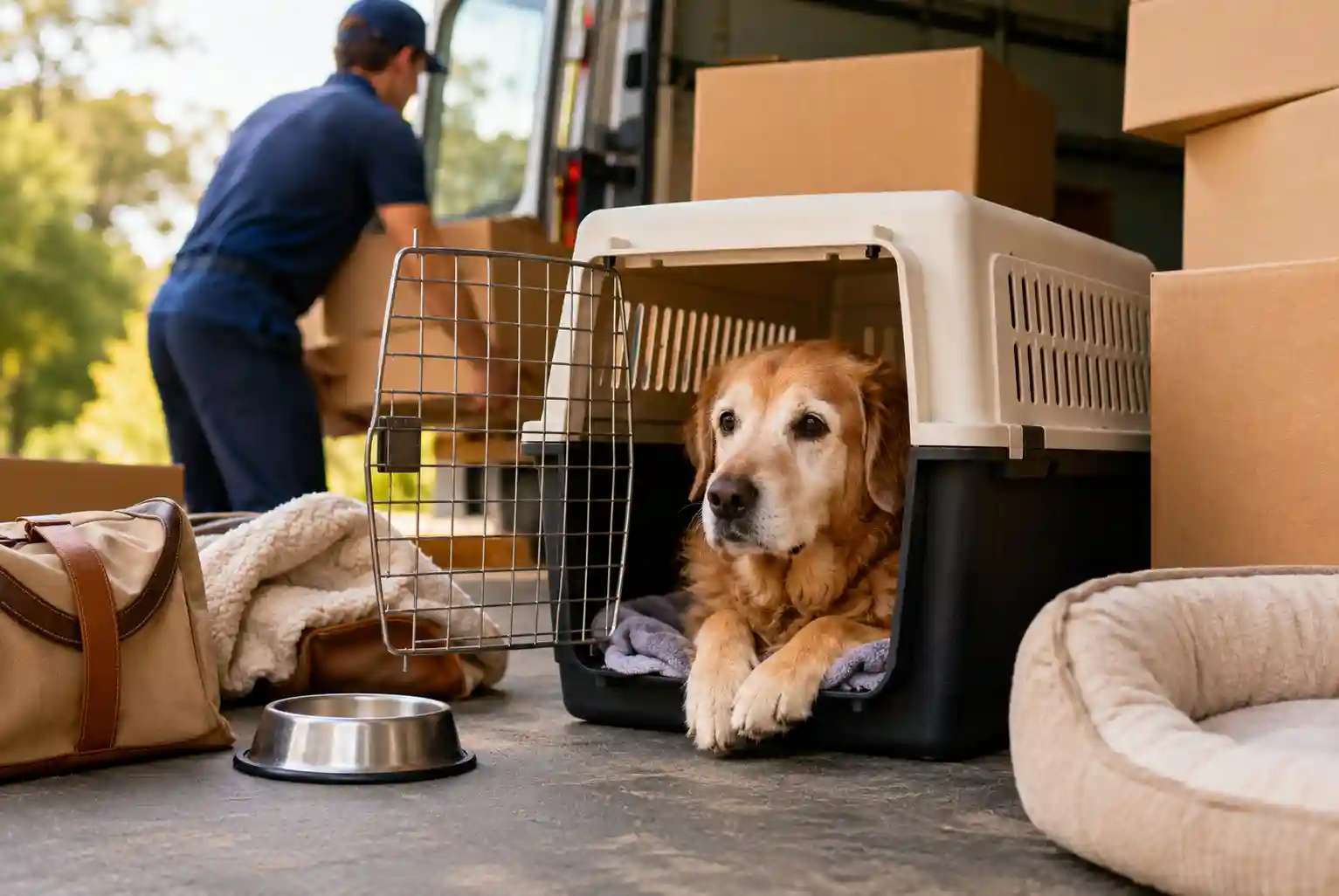
Moving to a new home is undoubtedly stressful, but when you are bringing an older furry companion along, that stress multiplies. Senior pets have established routines, and their aging bodies are far more sensitive to temperature changes, travel anxiety, and physical strain. If you are wondering how to manage a smooth transition, you are not alone. Ensuring their comfort requires careful planning, early preparation, and the right strategies. Whether you are moving across town or shifting to a different state, following the Top 10 Tips for Relocating Your Senior Pet Safely will help you protect their well-being. This guide covers everything from pre-travel vet visits to setting up their new environment, ensuring your loyal friend experiences a seamless, stress-free move.
1. Schedule a Pre-Move Veterinary Consultation
Before you even start packing boxes, book an appointment with your veterinarian. A thorough health check is the most critical step in senior pet relocation. Older pets may have underlying conditions like arthritis, heart issues, or weakened immune systems that make travel risky.
- Ask your vet to issue a fit-to-fly certificate for pets or a general fitness certificate if you are traveling by train or road.
- Ensure all vaccinations, especially anti-rabies, are up to date.
- Discuss travel anxiety; your vet might prescribe mild, safe calming supplements tailored for older animals.
2. Update Microchips and Identification
In the chaos of moving, pets can easily get spooked and slip away. Because an older pet might be disoriented in a new environment, proper identification is non-negotiable.
- Ensure your pet is wearing a secure collar with an updated ID tag featuring your new address and active phone number.
- If your pet is microchipped, contact the registry to update your contact details.
- Safe pet transportation starts with making sure your pet can easily be returned to you if an emergency occurs.
3. Crate Train Gradually
For many senior dogs and cats, the travel crate is an unfamiliar and scary space. If you are using pet transport services or flying, a crate is mandatory.
- Buy an IATA-approved travel crate weeks in advance.
- Leave the crate open in your living room with their favorite blanket or bed inside.
- Feed them treats near or inside the crate to build a positive association.
- Never force an older pet into a crate on moving day; gradual acclimation prevents severe pet travel anxiety.
4. Pack a "Pet Essentials" Travel Kit
Just like you pack a bag for your first night in a new home, your pet needs one too. Having familiar items readily available reduces panic and provides comfort.
- Medications: Pack a 2-4 week supply of any daily medications.
- Medical Records: Keep their vaccination cards and veterinary history accessible.
- Familiar Scents: Bring unwashed blankets or toys that smell like their old home.
- Food and Water: Pack their regular diet and bottled water to avoid gastrointestinal upset during pet relocation.
5. Choose the Right Mode of Transport
The physical toll of travel is harder on senior pets. You must choose a transportation method that minimizes their physical and emotional stress.
- Road Travel: Often the best choice for moving with an older dog, as you can control the climate and take frequent bathroom breaks.
- Train Travel: In India, booking a First-Class AC coupe on the Indian Railways is an excellent, spacious option for domestic pet relocation, allowing your pet to stay by your side.
- Air Travel: Only opt for this if absolutely necessary. The cargo hold can be extremely stressful and physically demanding for older pets.
6. Maintain Their Feeding and Walking Routine
Senior pets thrive on predictability. Amidst the packing tape and moving boxes, strive to keep their daily routine as normal as possible.
- Feed them at their usual times.
- Take them for their regular walks.
- Keeping a consistent schedule signal to your pet that despite the changing environment, they are safe and cared for.
7. Monitor Temperature and Physical Comfort
Older pets struggle to regulate their body temperature and often suffer from joint stiffness.
- Avoid traveling during the peak heat of the day, especially if you are undertaking pet relocation in India during the summer months.
- Line their travel crate or car seat with orthopedic, moisture-wicking bedding to cushion their aging joints.
- Never leave a senior pet unattended in a parked car, even for a few minutes.
8. Manage Travel Anxiety Safely
While it might be tempting to heavily sedate a nervous older pet, most airlines and professional pet movers strictly prohibit it. Sedation lowers blood pressure and affects a pet's ability to balance, which is incredibly dangerous during transit.
- Use natural alternatives like pheromone sprays (e.g., Feliway for cats or Adaptil for dogs).
- Try anxiety wraps or calming shirts.
- Speak to your vet about safe, senior-approved anti-nausea medications if they suffer from motion sickness.
9. Secure the New Home Before Arrival
Before bringing your senior pet inside, ensure the new home is thoroughly pet-proofed.
- Check for toxic plants in the garden, secure loose wires, and block off steep staircases that might be difficult for an older pet to navigate.
- Set up a designated "safe room" equipped with their bed, litter box, food, and water.
- Let them decompress in this single room before allowing them to explore the rest of the house.
10. Stay Calm and Patient
Your pet reads your emotional state. If you are frantic, they will be anxious. Speak to them in soothing tones, offer plenty of physical affection, and be patient if they have minor accidents or behavioral regressions during the first few days. Senior cat relocation and dog moving require extra grace and time for adjustment.
Important Regulations and Documents for Pet Relocation
If you are moving across state lines or using public transport, you must adhere to specific legal requirements to ensure a smooth journey.
- Vaccination Records: Up-to-date documentation showing the Rabies and DHLPPi vaccines (for dogs) or FVRCP (for cats).
- Fit-to-Travel Certificate: Issued by a registered veterinarian no more than 24-48 hours before travel.
- Transport Authority Rules: If utilizing Indian Railways, you must book your pet through the parcel office and obtain the necessary permissions from the station master.
Why Professional Relocation Services Can Help
Moving an entire household is overwhelming, and trying to manage a fragile, aging pet at the same time can lead to dangerous oversights. This is where professional relocation services step in to simplify the process.
Engaging a dedicated pet moving service, like PETGO, ensures that every logistical detail of your animal's journey is handled by trained experts. Packers and movers for pets understand the nuances of airline regulations, temperature embargoes, and proper crate sizing. They manage the complex paperwork, coordinate comfortable transport, and provide door-to-door monitoring, allowing you to focus on the human side of the move while resting easy knowing your senior companion is in specialized hands.
Conclusion
Relocating is a major life event, but with the right preparation, it doesn't have to be a traumatic one for your older companion. By consulting your vet, prioritizing physical comfort, and maintaining a calm environment, you can manage the transition smoothly. Following these Top 10 Tips for Relocating Your Senior Pet Safely ensures that your furry family member arrives at their new home ready to enjoy their golden years in comfort and peace.
Frequently Asked Questions (FAQs)
1. Is it safe for a senior dog to travel by air?
Air travel can be stressful and physically demanding for older dogs, especially if they must travel in the cargo hold. Always consult your vet to evaluate their heart and respiratory health before booking a flight.
2. Should I sedate my elderly pet for the move?
No. Most airlines and professional pet movers strongly advise against sedation, as it impairs the animal's ability to regulate body temperature and brace themselves against turbulence or sudden movements.
3. What is the best way to transport an older cat?
For senior cat relocation, road travel in a secure, well-ventilated carrier is usually the best option. It allows you to monitor their stress levels and maintain a comfortable temperature.
4. How can I help my senior pet adjust to the new house?
Set up a quiet "safe zone" with their familiar belongings. Keep their feeding and walking routines exactly the same, and give them plenty of time and patience to explore at their own pace.
5. Are there specialized packers and movers for pets?
Yes, there are companies exclusively dedicated to pet relocation services. They handle everything from custom crates and veterinary paperwork to booking pet-friendly transit options.
6. Do I need a fit-to-fly certificate if I am moving by train in India?
Yes, even for train travel on Indian Railways, a recent health and fitness certificate from a registered veterinarian is required to prove your pet is healthy and fully vaccinated.
Our Blogs

BEST PLACES TO LIVE IN CANADA FOR INDIAN FAMILIES AND IMMIGRANTS
Planning to move from India to Canada in 2026? Discover the best places to live in Canada for Indian families and immigrants, including Toronto, Vancouver, Calgary, Edmonton, and Winnipeg. Explore affordable cities, housing and living costs, career opportunities, immigration requirements, healthcare facilities, and education options for children. This comprehensive guide also covers Canada Express Entry proof of funds, international shipping costs, customs documentation, and essential relocation tips to help Indian families plan a smooth, affordable, and stress-free move to Canada.

WHERE DO MOST INDIANS LIVE IN THE USA? TOP CITIES & STATES
Wondering where most Indians live in the USA? Explore the top states and cities, including California, Texas, New York, New Jersey, and Chicago. Discover popular Indian communities, population trends, and helpful tips for relocating from India to the USA.

MOVING TO THAILAND FROM INDIA: A COMPLETE RELOCATION GUIDE
Planning to move to Thailand from India? Explore visa requirements, essential documents, customs regulations, household shipping options, and estimated relocation costs. Discover practical moving tips and learn how professional international movers like PM Relocations can help you enjoy a smooth, safe, and stress-free relocation to Thailand.
 Post Feedback
 Gallery
 Awards & Media
 FAQ
FAQ CSR & Sustainability
.svg)