Introduction
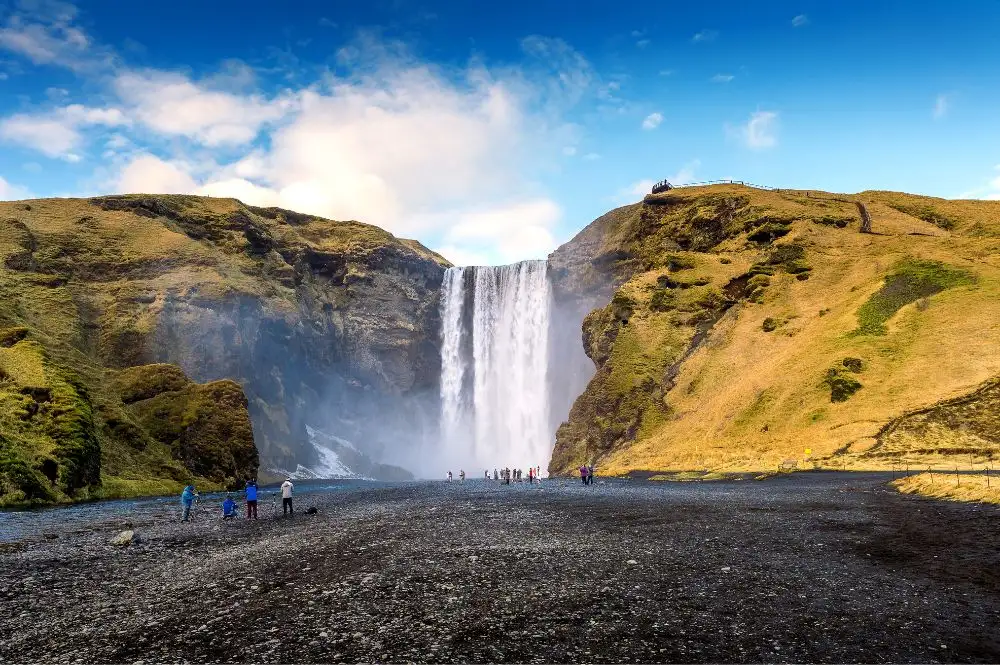
ICELAND! Even after being one of the most distant locations to be in or travel to, Iceland is a vaunted place for ex-pats. So, the question is what makes Iceland so unique? Iceland’s special image results because of its volcanoes and glaciers. Iceland is known as “the Land of Fire and Ice”.
Natural wonders present here not only present scenic beauty but also calmness & peace in way of living. These places include The Blue Lagoon and Dettifoss Waterfall which portray the major attractions. Iceland is also known for its rich cultural history, Norse mythology, and folklore. Above all, the fact that there are no official family names is fascinating too. While there are so many positive points to be here, there might be certain queries too asking for solutions…
How difficult is it to move to Iceland?
Many people will have this doubt- “It is possible to relocate to Iceland as a US citizen?” Well, you can move to Iceland as any country’s citizen. The ambiance is as welcoming as is beautiful & soothing. However, the country's permissible activities are quite limited. If you intend to stay for more than three months, you must apply for a residence permit with the Directorate of Immigration. Also, the acceptance is completely dependent on your reason for staying.
What are the major necessities for getting settled for work in Iceland?
As a foreigner, one can easily settle down in this place. But when planning to settle for work, there are some necessities you need to fulfill. The most important ones of them include getting a work permit (which is necessary for working in any country, after all!) But how difficult is it to get a work permit here, that is the question. Thus, those wishing to apply for a residence permit (and work permit) in Iceland must first find work and sign an employment contract. The employment contract must be submitted with the application before the applicant arrives in Iceland. The whole process is a little strictly time-bound, thence, be aware and alert at all times.
What are the disadvantages of being or living in Iceland?
Just as this place brings numerous pluses, the most important being a healthy lifestyle, there are certain pitfalls to living here as well. These disadvantages include the Winters- which are long & cold. Winters in Iceland are extremely long, and they can even occur in the summer if you are unlucky. So, enjoying summer might seem like a dream. It can even make you nostalgic, no? Winter nights are long and cold too. As Iceland is a remote island, the prices here are high. There is inclement weather. Also, there’s a difficult local language to learn or speak or even understand in everyday life. Surprisingly, there will also be poor-quality vegetables, fruits & berries.
We have heard that Iceland offers a good & healthy way of life, but can it be dangerous to live here too?
To be honest, probably not. If you choose to live in certain low-lying areas, which most people do, there wouldn’t be much danger to encounter. However, do not ignore the fact that terrors do exist in living here. In terms of weather and tectonic forces, Iceland could turn out to be an unusually dynamic country. This means Icelanders must be prepared for a wide range of natural disasters, including floods, storms, avalanches, earthquakes, volcanic eruptions, and landslides.
Is it inexpensive to live in Iceland?
Iceland is one of the most expensive countries in the world. But surprisingly, it also has one of the highest rates of employment and earnings. Iceland ranks higher than average in terms of income and wealth. As per a survey, “the monthly living expenses are $1600. These come including housing, food, public transportation, utilities, and leisure as well”.
Hope the FAQs given above & their answers have been able to provide you with the necessary information about the significant concerns of moving to this country. If you wish to learn more about such major countries, do not forget to check out our other FAQs in the series. The series is an effort to answer as many FAQs about the major countries around the world as possible. It also brings awareness to light and showcases the major concerns that the general public holds.










 Post Feedback
 Gallery
 Awards & Media
 FAQ
FAQ CSR & Sustainability
.svg)