






WHAT TO PRIORITIZE DURING A LAST-MINUTE MOVE
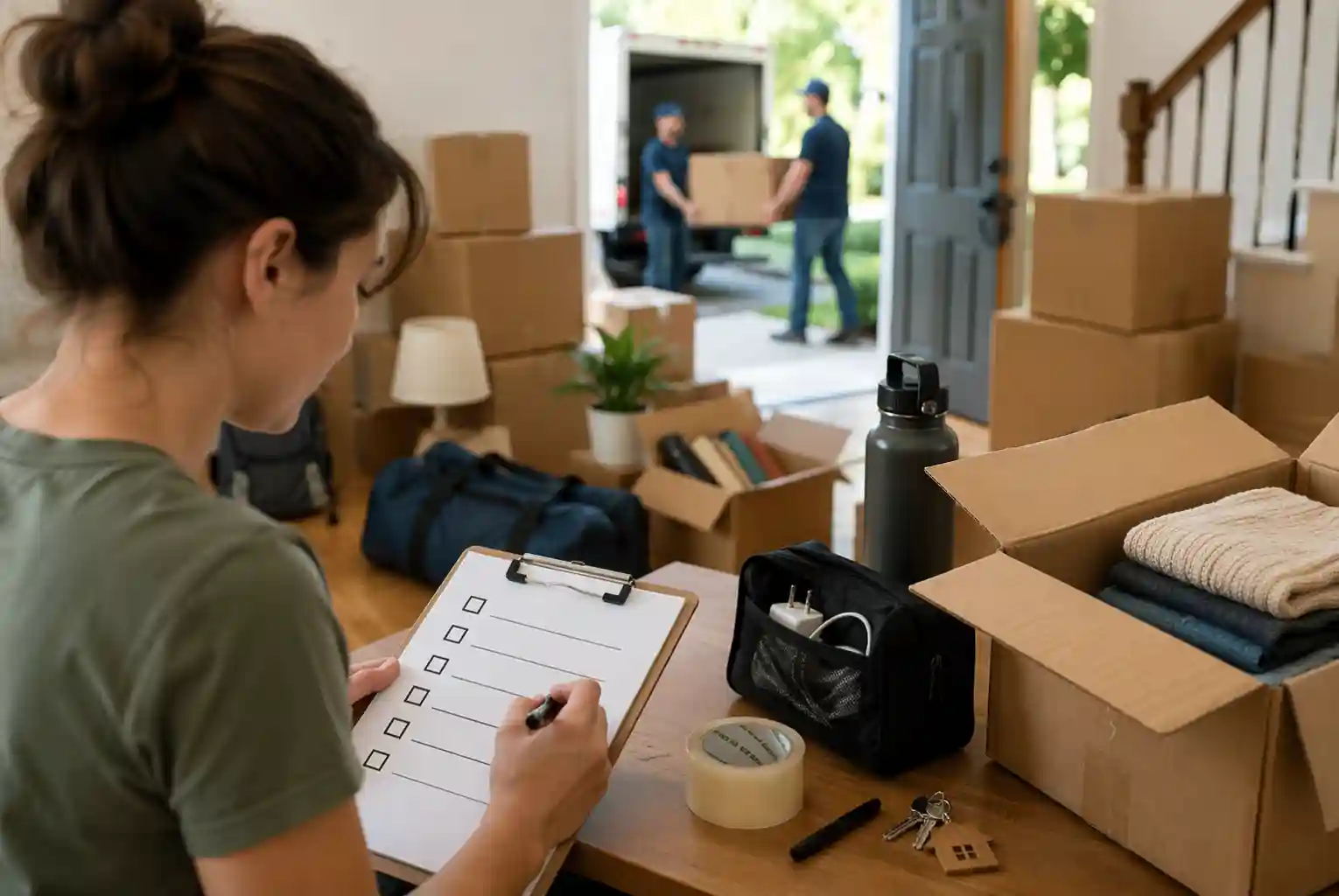
With a last-minute move, you can feel stressed, but this guide can help cut out the last-minute chaos. The most common error is time management, which usually stems from choosing the most painstaking tasks, which end up being stressful and waste time and an inordinate amount of money.
With 48 hours or 5 days to move, this guide will help you prioritize tasks, keep you in control, and manage the financial blow of the move, all without leaving critical items behind.
Give Yourself 24 Hours to Plan, Not Pack
During the first 24 hours, right out of the plan for the move. Packing is the last and final step of the move.
- Verify your moving to-do's. Before anything else, check that the moving date and new address are set in stone.
- Determine the moving inventory. The first step in determining your inventory is to take stock of what you have. Picture the big items in the room that will require multiple truckloads to move.
- Categorize items. You will want to separate things that can move, and list things that cannot be moved for safety, like dangerous things needing careful supervision, perishables, or oversized items that will only be a hindrance to moving.
- Plan your moving logistics. You should plan this and only this for the first hour of your time. Moving companies will fill up, leaving your choices far more expensive.
- Notifying important parties. Address updates need to be made to your landlord, your employer's HR, your bank, and any applicable government agencies. Even if the move isn’t completed, start this process as soon as possible.
How to Control Your Tasks with Time Restrictions
When time is limited, use the tier system to stay organized and avoid decision fatigue.
- Tier 1: Schedule your moving company/book your rental. Get packing supplies. Make sure your buildings have the necessary access. Reserve elevators, parking, etc.
- Tier 2: Pack your important documents. Disassemble any furniture that is too large and requires tools. Start packing room by room, beginning with the least-used spaces.
- Tier 3: Pack the things you use every day, like your toiletries, kitchen supplies, and work setup. Ones that you use every day should be the last packed and the first unpacked.
Try to avoid mixing tiers. Tasks across different categories should be completed to avoid wasting time and forgetting things.
How to Pack Efficiently
When packing this quickly, speed is irrelevant. What matters is your system.
Stick to the room-by-room method and label each box with its respective room name and a description of the contents. Improperly mixing rooms is a time waster and likely to result in the loss of items.
Prioritize based on functionality, and not value. Identify, charger, important documents, and medication should not and never be left in the moving truck. They’re easily replaceable and should not go in your personal carry with other things.
Your wardrobe is the best place to get all your clothing, as it is a true time-saver. You can pack clothing more quickly than folding and boxing it. Trash bags are a good packing method because they can fit anywhere in your moving truck.
Instead of bubble wrapping your fragile items and taking up extra boxes, use your clothing, towels, and linens as container padding.
Make sure the boxes that you are packing up are not too heavy, as an emergency relocation can mean a time crunch. Don't go over your boxes; keep the box weight under 20 kg to ensure the box is safe to handle.
To keep moving quickly, you should leave behind anything that can slow you down.
Read Also: MOVING IN EXTREME HEAT? ESSENTIAL HYDRATION & SAFETY TIPS YOU CAN’T IGNORE
Hiring Movers on Short Notice: Risks and Solutions
For moves that are not planned and are time-sensitive, there are some additional risks that come with this type of relocation.
Risk 1: Unfamiliar Movers. There tends to be less time for vetting, resulting in lost items, a damaged house, rising invoices, and moves that are a complete fraud.
Solution: Limit your search to sites that have licensed movers. To plan your move, you should appoint a legal expert for your region so you can be sure that anything you find is trustworthy.
Risk 2: No Documents. Not saying they happen is a huge risk. Wherever they go, expect the unexpected.
Response: Insist on getting a written quote before the truck arrives (even if it’s just a quick email). Get clarity on the pricing structure, whether it is hourly or flat-rate pricing, plus what extra fees may be involved.
Risk 3: Employees may be spread too thin. Insufficient personnel are hired by a moving company under the assumption that a job will take less time.
Response: Ask how many movers will be assigned to the job. A typical two-bedroom apartment requires at least three movers to be completed in a reasonable time.
Keeping Costs Down in a Short-Notice Move
Protecting your budget during a moving job is very easy, but saving your budget on the moving job itself is a little more challenging.
Make sure to include in your budget the average cost of same-day bookings during peak season. Expect to be charged 20 to 40 percent more than typical rates.
Here are some easy places to cut costs while moving:
- Volume: The whole point of a moving truck is to transport a set volume. The less you move, the cheaper it is. Be sure to aggressively sell, donate, or trash your stuff before the truck arrives.
- Flexibility: The less you move, the cheaper it is. You will save the most by moving to a weekday less tied to the start or end of the month.
- Your Materials: If you can provide your own boxes, you will save on packing. Mover-supplied boxes are marked up significantly. You can obtain boxes from liquor or grocery stores.
- Do it Yourself: The biggest expense will be time. Breaking down the boxes will cost you the most if that’s left to the movers.
Finally, just because you can save on your move, don’t save on insurance. Be sure your mover has cargo liability insurance. If they don’t, your valuables could be transported at your expense.
Read Also: HOW TO PLAN A STRESS-FREE RELOCATION DURING THE BUSY SUMMER SEASON
Important Moving Docs & Moving Tips
One of the most challenging types of moves has to occur at the last minute. This is the one most likely to create long-term issues if the details are not attended to.
When moving from your current location, be sure to gather and secure the following:
- Government-issued identification for every member of the household
- Lease agreements, purchase contracts, and deeds
- Insurance policies and recent statements
- Medical records, prescriptions, and related details
- Professional records and academic
- Financial documents: including recent bank statements and tax filings
Be sure to store these in a waterproof folder or envelope, and keep this in the vehicle, not the truck. Also, be sure to begin updating your address as soon as you can, as the postal service can take up to 2 weeks to redirect in some countries.
Mistakes That Will Make Last-Minute Moves More Difficult
- Lack of a packing plan. This harms every other part of the process, and without order, you will create more boxes to unbox later.
- Losing sight of the bigger picture. Plan for your furniture and other belongings to take far more space than you think.
- Losing track of time. The passing of time means losing options for your move. Make a moving date and then pack. Booking is the more urgent task.
- Ignoring the lease. Leaving a rental of your ownership, without the proper notice, can result in the forfeiture of deposits and can be a legal liability. Even if you’re in a rush to leave, be sure to notify your landlord as Huck Finn would: In writing.
- It is an understandable impulse to take everything with you. With quick moves, though, you end up paying to move things you wouldn't have outside of your normal routine. Be as ruthless as you can.
- Not taking pictures of your current place. It is highly recommended to take pictures of every room before you move, as protection against claims of damaged property.
Expert Tips for Staying in Control
Create a 48-hour checklist. Time block everything and write it down. Things will take as long as they need, and you will fit in things you didn't even originally plan for in your block.
Assign tasks. If you have help, split up the work and give specific instructions. Don't try to manage everything.
For your own peace of mind, try to avoid overthinking the moving vehicle. Split your belongings into your personal moving things and everything else. Everything else will go with the movers and should be kept separate in your mind from your essentials.
Let your building manager, the new landlord, and utility service providers know the exact date you plan to move. Be as prepared as you can when it comes to communication.
Let things go. When people have to relocate in an emergency, things will get lost, damaged, or left behind. It is an unfortunate cost to pay for a quick relocation. Try to focus on not losing important items like documents, data, or valuables.
Read Also: THE BEST CITIES IN CANADA FOR IMMIGRANTS
Conclusion
A last-minute move is not the easiest thing in the world, but it helps to manage the situation as a logistics problem rather than an emotional situation.
Incorrect moves are not dictated by time. Instead, they are dictated by reactive decisions. If you stick with the steps in this guide, you can stay ahead of the chaos, regardless of how much time you have.
Our Blogs

COST OF LIVING IN BANGKOK: A COMPLETE MONTHLY EXPENSE GUIDE
Thinking of moving to Thailand's capital? The cost of living in Bangkok depends on your area, your food habits, and how you travel. This guide breaks down monthly rent, food, transport, and utility bills in Thai baht and Indian rupees. You will also find sample budgets for budget, comfortable, and high-end lifestyles, the latest 30-day visa-free rule for Indians, common mistakes to avoid, and simple tips to save money before you move.

HOW TO MOVE TO JAPAN FROM INDIA: A COMPLETE RELOCATION GUIDE
Planning to move to Japan from India? This detailed relocation guide covers everything you need to know before making the move, including Japan visa requirements for Indians, Certificate of Eligibility, moving costs, air and sea freight options, customs clearance, shipping household goods, finding accommodation, managing living expenses, and completing important arrival formalities. It also includes practical budgeting tips, a pre-move checklist, and helpful guidance to make your relocation to Japan smoother, more organized, and stress-free with professional international moving support.

THE FIRST 24 HOURS AFTER MOVING: WHAT SHOULD YOU UNPACK AND SET UP FIRST?
Moving into a new home can feel overwhelming, especially when you are surrounded by boxes and do not know where to start. This guide explains what to unpack first after moving and how to organize your first 24 hours. From checking safety and utilities to setting up the bathroom, bedroom, kitchen, clothes, and daily essentials, follow a simple order to make your new home comfortable and functional without unnecessary stress.
 Post Feedback
 Gallery
 Awards & Media
 FAQ
FAQ CSR & Sustainability
.svg)