






RELOCATING IN THE RAIN? HERE'S HOW TO PROTECT YOUR HOUSEHOLD ITEMS
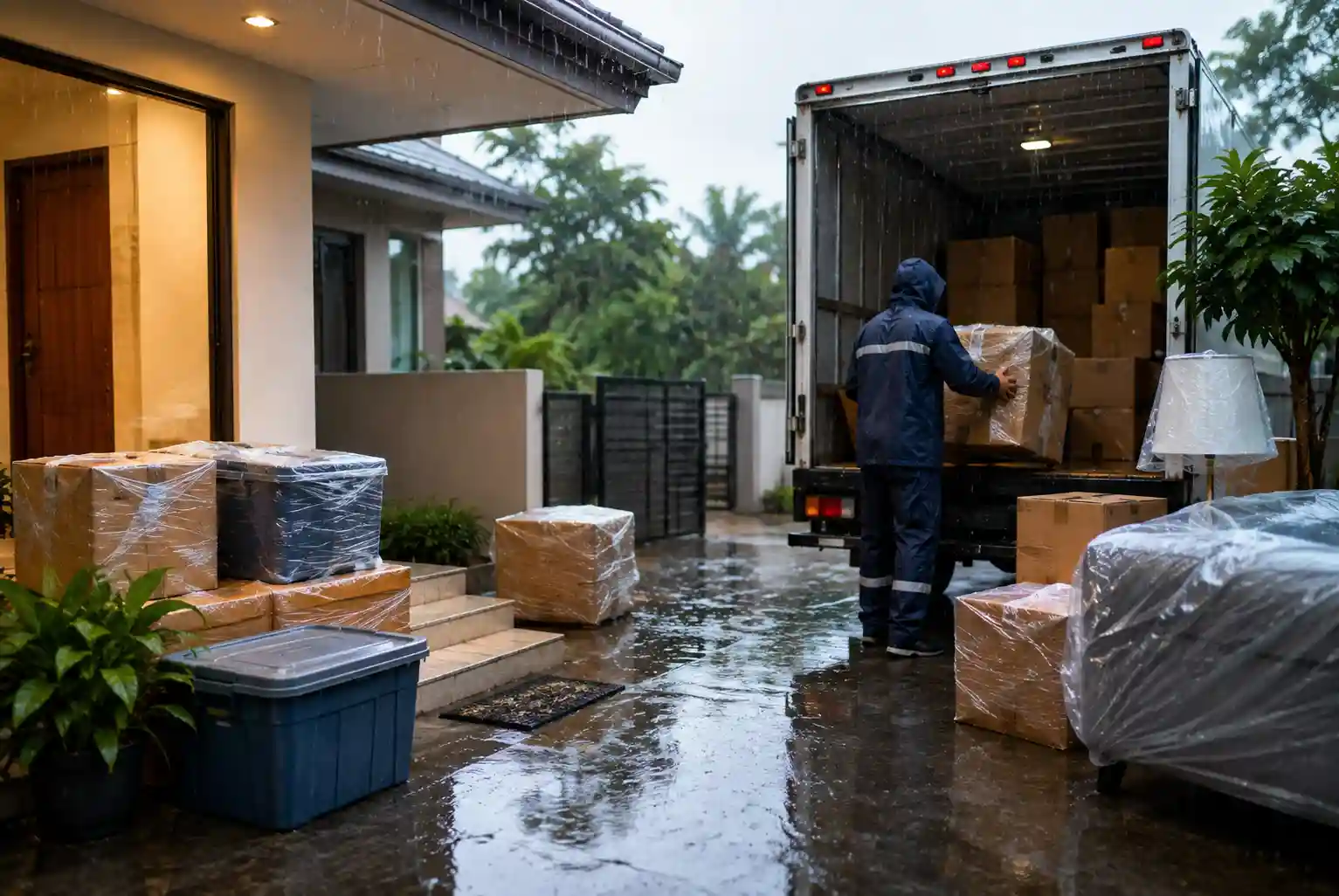
Shifting residences is an inherently complex logistical operation, but introducing a sudden downpour can quickly escalate a manageable move into a high-stress emergency. The challenges of relocating in the rain extend far beyond mere inconvenience; they introduce severe risks to valuable property, ranging from waterlogged cardboard and warped wooden furniture to hazardous, slippery floors. For individuals planning a monsoon relocation, relying on standard moving practices is a critical error. Ensuring the absolute safety of household items requires strategic foresight, the integration of high-grade waterproof packing materials, and meticulous execution. Whether undertaking a local move within a city or orchestrating a long-distance intercity transfer, safeguarding cargo from moisture, mud, and transit delays remains the utmost priority. By understanding optimal packing methodologies, navigating the complexities of transit insurance policies, and leveraging specialized moving equipment, property owners can effectively mitigate the severe risks of water damage.
Crucial Preparations Before Relocating in the Rain
The foundation of a successful rainy day move lies in preemptive planning. Unpredictable weather patterns can severely damage fragile items and disrupt transportation schedules, making early preparation essential.
Monitoring Weather and Strategic Scheduling
The very first step in organizing household shifting is closely monitoring local weather forecasts at least one to two weeks in advance. If severe cyclonic rains or thunderstorms are predicted, rescheduling the move is the safest financial and physical decision. For standard monsoon showers, scheduling the logistics during the late morning to mid-afternoon typically provides the driest operational window. Furthermore, avoiding weekends and peak rush hours is highly advisable, particularly in metropolitan areas prone to severe waterlogging, to ensure the moving truck does not get stranded in congested traffic.
Inspecting and Preparing the Destination Property
Before the goods arrive, the new residence must be thoroughly inspected for any existing water leakage, damp walls, or clogged drains. For apartment buildings, confirming that elevators are fully operational during heavy rains avoids last-minute manual labor up wet staircases.
Rain inevitably brings mud and slush. To prevent accidents and avoid ruining the floors of both the old and new residences, laying down protective coverings is mandatory. Placing old towels, heavy-duty cardboard sheets, or anti-skid plastic mats along entryways and main corridors minimizes slipping hazards for the moving crew.
Step-by-Step Guide to Waterproof Packing
Standard packing methods fall completely short when combating high humidity and direct rainfall. Cardboard boxes absorb moisture rapidly, leading to structural failure, tearing, and potential mold growth.
Upgrading to Waterproof Packing Materials
Transitioning to monsoon-proof packing is non-negotiable for a safe transit.
- Utilize Plastic Bins: Solid plastic containers offer the highest level of protection against water ingress and should replace standard cardboard wherever possible.
- Double-Wrap Fragile Goods: Items such as books and clothing should be packed into thick garbage bags before being placed inside boxes, creating a reliable waterproof barrier.
- Seal Wooden Furniture: Large wooden pieces must be completely encased in shrink wrap or stretch film to prevent the wood from swelling due to moisture exposure.
- Deploy Moisture Absorbers: Placing silica gel packets inside every box helps absorb trapped ambient humidity, preventing internal mildew during transit.
Securing Electronics and High-Value Appliances
Electronic devices are highly susceptible to both direct water contact and ambient humidity. Industry experts recommend unplugging all appliances at least 24 hours prior to the move, ensuring they are completely dry and cooled down. Devices such as televisions, laptops, and sound systems should undergo a three-layer packing process: wrapped first in anti-static bubble wrap, followed by a sealed plastic sheet, and finally placed into a sturdy, waterproofed outer carton. Labeling these boxes clearly with waterproof markers as "Fragile: Keep Dry" ensures they receive careful handling from the moving crew.
Protecting Vital Documents
Crucial paperwork, such as property deeds, financial records, and identification—should never be loaded into the primary transport vehicle during a rainy move. Instead, these documents should be digitized and backed up to a cloud drive. The physical copies must be secured in waterproof Ziplock bags or lockable plastic files and transported personally in a private vehicle.
Choosing the Right Transport Vehicle
The choice of transportation dictates the ultimate success of a home relocation during monsoon. Opting for an open-body truck covered only by a tarpaulin is a critical error, as water easily pools and leaks into the cargo area.
Property owners must ensure the hired logistics company provides a fully enclosed, closed-body container truck. The vehicle must be thoroughly inspected for any roof leaks, compromised door seals, and raised, non-slip flooring to prevent ground-level water seepage from damaging the bottom tier of boxes.
Selecting the correct truck size also prevents multiple trips in bad weather.
|
Property Size / Move Type |
Recommended Closed-Body Vehicle Size |
|
1 BHK / Small Local Move |
Tata Ace (7 ft) / Pickup (8 ft) |
|
2 BHK |
14 ft Eicher / Truck Canter |
|
2 BHK to 3 BHK |
17 ft to 19 ft LCV / DCM |
|
3 BHK to Villa |
22 ft to 32 ft Truck Taurus (12-Wheeler) |
Standard vehicle sizing guidelines for Indian relocations.
Navigating Regulatory Frameworks: GST Rates and E-Way Bills
Understanding the administrative and legal frameworks surrounding household goods transportation in India is vital for accurate budgeting and strict legal compliance.
Decoding GST Rates for Packers and Movers
The GST rates for packers and movers are a frequent source of billing confusion, as the tax brackets vary significantly based on the exact scope of services rendered. The Indian government classifies moving services into distinct categories.
|
Service Type |
Scope of Work |
Applicable GST Rate |
Tax Breakdown (Intra-State) |
Input Tax Credit (ITC) |
|
Transport-Only (HSN 9965) |
Goods transportation only; customer packs and loads. |
5% |
2.5% CGST + 2.5% SGST |
Not Available |
|
Full-Service Relocation (HSN 9966) |
Composite supply: packing, loading, transport, unloading. |
18% |
9% CGST + 9% SGST |
Available for Businesses |
|
Transit Insurance (HSN 9971) |
Standalone insurance coverage for goods. |
18% |
9% CGST + 9% SGST |
Available for Businesses |
Data reflecting Indian GST regulations for moving services. Interstate moves attract 18% IGST for full services.
Notably, a consignment-based exemption exists: no GST is levied if the total cost of transporting a single consignment remains under ?1,500, or if the gross sum charged per consignee is less than ?750.
E-Way Bill Exemptions for Household Goods
In India, the movement of goods exceeding ?50,000 typically requires the generation of an E-way bill to track logistics and prevent tax evasion. However, the government provides specific legal exemptions for residential relocations. According to Rule 138 (14) of the CGST Rules, the transportation of "used personal and household effects" is strictly exempt from E-way bill generation across all states. Therefore, individuals undergoing standard home shifting do not need to navigate the E-way bill portal, saving considerable administrative hassle.
Safeguarding Finances with Transit Insurance
During a monsoon move, the statistical risk of property damage multiplies exponentially. Relying on basic transit insurance policies can leave homeowners severely under-protected.
Standard basic transit insurance typically charges a premium of around 1.5% of the declared goods' value and covers damage only while the truck is in motion. Crucially, this basic policy routinely excludes water damage entirely if the goods were transported in an open truck. Because the majority of damage (dents, scratches, water exposure) occurs during the packing, loading, and unloading phases, basic insurance falls short.
For an intercity monsoon relocation, upgrading to comprehensive insurance is highly recommended.
|
Insurance Tier |
Typical Premium |
Covers Packing & Loading |
Covers Transit |
Covers Unloading |
Rain Damage Protection |
|
Basic Transit |
~1.5% |
No |
Yes |
No |
Excluded if open truck is used |
|
Comprehensive |
~3.0% |
Yes |
Yes |
Yes |
High (Covers handling phases) |
Comparison of moving insurance policies and coverage scopes.
To ensure a seamless claims process, photographic evidence of all valuable items must be taken before the packing crew arrives, creating a verified inventory. Any damage must be reported to the insurer immediately upon unloading, as delayed notifications are the leading cause of claim rejections.
Common Mistakes to Avoid During Rainy Season Shifting
Even with meticulous logistical planning, certain common pitfalls can compromise a relocation. Avoiding these errors is critical:
- Chasing the Lowest Price: Extremely cheap moving quotes often indicate the use of open tempos or substandard, non-waterproof packing materials. This false economy frequently leads to ruined furniture.
- Overpacking Boxes: Wet cardboard tears easily. Keeping boxes lighter than usual prevents the bottom from giving out when carrying them through the rain.
- Moving at Night: Nighttime shifting during a downpour features low visibility, higher traffic risks, and makes it drastically harder to secure emergency help if a vehicle breaks down.
- Transporting Pets and Plants in the Truck: Live plants create muddy messes when tipped, and pets experience extreme distress in dark, wet cargo areas. Both should always be transported in a personal, climate-controlled vehicle.
Why Professional Relocation Services Can Help
Executing a DIY move during a heavy downpour is fraught with physical risks, property damage potential, and logistical nightmares. This is exactly why professional relocation services can help ensure a streamlined, stress-free transition.
Expert packers and movers in Mumbai, Delhi, Bangalore, and other rain-heavy regions possess the specialized training required to navigate wet-season challenges. Professional moving experts arrive fully equipped with industry-grade waterproof materials, laminated cartons, and specialized closed-body container trucks specifically designed to keep water out.
Furthermore, experienced crews understand the physical nuances of safely carrying heavy, slippery furniture down tight staircases or across wet loading ramps without causing property damage or personal injury. By assuming the operational liability of the move, handling society gate delays, and offering robust comprehensive insurance, professional services simplify the entire process. This allows homeowners to focus entirely on settling into the new residence rather than agonizing over the safety of their cargo.
Conclusion
Successfully relocating in the rain demands a significantly heightened level of preparation, premium packing materials, and a deep understanding of logistics and regulatory frameworks. By actively monitoring weather patterns, utilizing plastic bins and heavy-duty shrink wrap, and explicitly demanding a closed-body container truck, the severe risks associated with a monsoon relocation can be drastically minimized. Furthermore, navigating the financial aspects, such as understanding the 18% GST rates for packers and movers on full-service packages and securing comprehensive transit insurance, ensures absolute financial protection against unforeseen accidents. Ultimately, partnering with verified, professional moving industry experts transforms a potentially disastrous rainy-day shift into a secure, highly organized, and successful relocation experience.
Frequently Asked Questions (FAQs)
1. Is it safe to relocate during the rainy season?
Yes, completing a move during the monsoon is entirely safe if adequate, proactive precautions are taken. Utilizing high-grade waterproof packing materials, hiring experienced logistics professionals, and strictly using a closed-container truck will thoroughly protect belongings from water damage.
2. What is the GST rate on packers and movers in India?
If a service provider is hired solely for basic goods transportation, the GST rate is 5%. However, if the logistics company provides a full suite of services, including packing, loading, moving, and unloading—the GST on moving services is calculated as a composite supply at 18%.
3. Do I need to generate an E-way bill for shifting household goods?
No. According to Indian GST regulations (Rule 138(14)), the transportation of used personal and household items is completely exempt from E-way bill generation, regardless of the overall financial value of the consignment.
4. How should electronics be packed during a monsoon move?
Electronics should be unplugged a full 24 hours in advance, wrapped tightly in anti-static bubble wrap, sealed in waterproof plastic sheets, and placed inside laminated or plastic-lined cartons. Adding silica gel packets inside the boxes helps absorb any trapped internal moisture.
5. Does standard transit insurance cover rain damage?
Standard basic transit insurance (usually ~1.5% premium) covers damages occurring while the vehicle is actively moving, but it frequently excludes water damage if an open truck was utilized. Opting for comprehensive insurance (~3.0% premium) is highly recommended for a monsoon relocation, as it covers damages during the packing, loading, and unloading phases.
6. What is the best vehicle for moving in the rain?
A fully enclosed, closed-body container truck is the only recommended vehicle for a rainy move. Open-body trucks covered with tarpaulins are highly susceptible to wind exposure, water pooling, and severe leakage into the cargo area.
Our Blogs

WHERE DO MOST INDIANS LIVE IN THE USA? TOP CITIES & STATES
Wondering where most Indians live in the USA? Explore the top states and cities, including California, Texas, New York, New Jersey, and Chicago. Discover popular Indian communities, population trends, and helpful tips for relocating from India to the USA.

MOVING TO THAILAND FROM INDIA: A COMPLETE RELOCATION GUIDE
Planning to move to Thailand from India? Explore visa requirements, essential documents, customs regulations, household shipping options, and estimated relocation costs. Discover practical moving tips and learn how professional international movers like PM Relocations can help you enjoy a smooth, safe, and stress-free relocation to Thailand.

BEST COUNTRIES FOR INDIANS TO SETTLE ABROAD: A PRACTICAL COMPARISON
Planning to settle abroad? Discover the best countries for Indians to settle abroad, including Canada, Australia, Germany, the UK, New Zealand, the USA, and UAE. Explore job opportunities, permanent residency options, visa requirements, living costs, and quality of life in each country. This practical guide helps Indian professionals, students, and families compare popular destinations, understand international relocation costs, and choose the right country for a better future. Get useful tips on moving abroad from India, preparing important documents, and planning a safe, smooth, and stress-free international move.
 Post Feedback
 Gallery
 Awards & Media
 FAQ
FAQ CSR & Sustainability
.svg)