






A PICTORIAL GUIDE TO RELOCATING YOUR ART COLLECTION
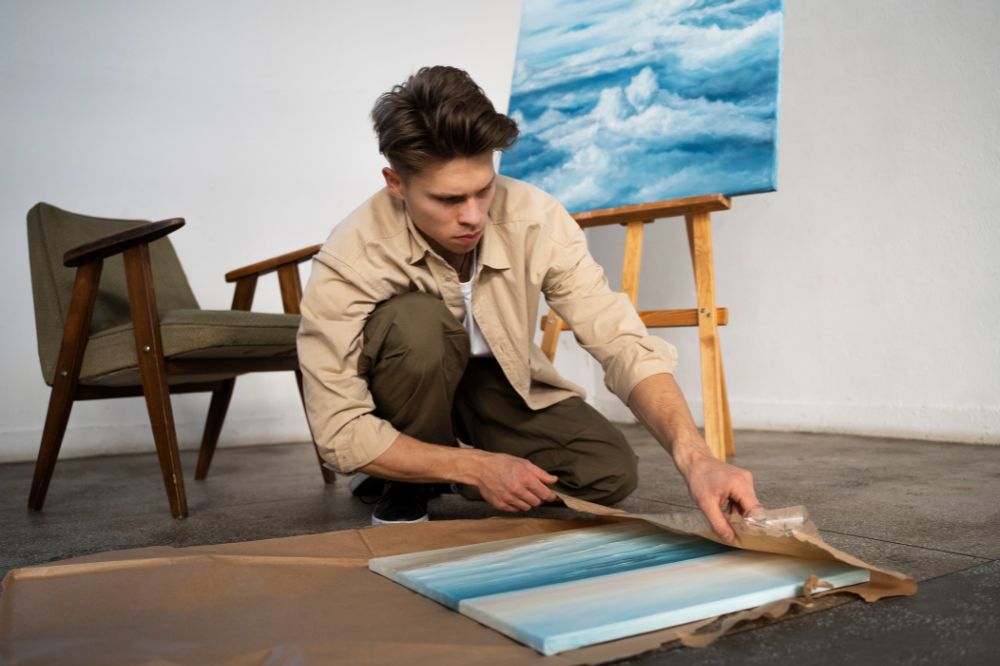
While the logistics can indeed feel daunting, take heart that this move also provides an opportunity to refresh how you interact with your personally curated gallery. With the right game plan, your artwork can safely beautify fresh walls, allowing you to rediscover recently acquired gems and long-time favourites. This pictorial guide will walk you through indispensable steps so you can approach the relocation as an imaginative adventure rather than a chaotic hassle. Let's get started on the creative process of re-envisioning how to display your beloved fine art for the next chapter!
Preparation Palette
- Gather essential packing materials. Have on hand acid-free tissue, bubble wrap, cardboard corners, and strong tapes that won't damage surfaces. Masking tape is excellent for securing glass as it doesn't leave a residue.
- Take inventory of art pieces - Catalog all pieces to be moved, including dimensions, medium, framing, and any special handling requirements. Photograph valuable items.
- Create a detailed plan - Map out packing orders and arrangements for travel based on size, fragility, and inventory paperwork.
Protective Layers
- Utilize acid-free tissue and bubble wrap. Wrap individual paintings and sculptures with tissue before bubbling. Use premium-quality materials tested for conservation.
- Secure glass components - Tape glass tightly to avoid slipping. Pay special attention to intricate frames.
- Consider custom crating - Professional crates may be needed for safe transport for large or delicate pieces.
What is the economic development of modern India?
Frame Fortress
- Remove and pack frames separately – Take artwork off stretcher bars and store canvas rolls securely. Wrap disassembled frames.
- Use corner protectors - Brace corners with triangular cushions to prevent dings. Anchor framed pieces between cardboard corners before bubbling.
- Label frames - Indicate which hardware goes with each frame using numbered tags to simplify reassembly.
Artwork Arrangement
- Plan art arrangement - Map locations of each crate and artwork in the truck to prevent toppling or crushing. Load the largest items along the base.
- Avoid stacking or leaning art - Use dividers to separate pieces so nothing touches or presses. Anchor dividers and artwork securely.
- Use dividers - Foam blocks or bookends make useful spacing tools and barriers between delicate objects.
Temperature & Humidity Control
- Monitor conditions - Place a thermometer and hydrometer inside the truck to track temp and humidity levels during transit.
- Avoid extreme fluctuations - Heat or cold extremes can cause paintings to crack or warp. Ideal conditions are 60-75°F and 35-55% humidity.
- Consider climate-controlled transport - For valuable collections, a climate-controlled truck will regulate the environment.
Professional Art Movers
- Research and hire art movers - They have experience handling fragile items and using appropriate materials and trucks.
- Ensure proper insurance - In case of any incidents, make sure movers have specialized art insurance coverage.
- Communicate any special requirements - Provide details on very fragile items needing white-glove service during both packing and transit.
Unpacking Unveiling
- Unpack with care - Take time to gently remove protective layers and inspect for any transit damage before displaying.
- Inspect for damages - Document and photograph any scratches, cracks, or missing hardware right away. This will aid insurance claims if needed.
- Reassemble and arrange pieces - Once safely unpacked, frame rebuilt artworks and decide on layouts in the new space.
Wall Placement
- Plan layout - Experiment with grouped gallery-style arrangements or even color themes to craft a cohesive look.
- Use proper hanging techniques - Ensure hooks, wires, and anchors are strong enough to bear the weight of each particular piece.
- Consider lighting - Well-positioned LED spotlights can accentuate favorite works. Just avoid direct sunlight, which can fade pigments.
Documentation & Insurance
- Update documentation - Add the new location details for each artwork to your inventory records, including updated appraisal values.
- Ensure proper insurance - Notify your home and artwork insurance carriers of the move to the new residence and confirm robust coverage.
- Keep damage records - Hold onto photographs and condition reports of any transit damage for insurance claims procedures.
Celebrate Artful Arrival!
- Host an unveiling event - Throw an artsy open house to showcase your reframed and installed collection in a fresh setting.
- Share on social media - Post photos from the packing process through to the arranged gallery wall on Instagram or Facebook.
- Enjoy the updated display! - Breathe easy now that your precious artworks have a beautiful new home where you can enjoy them for years to come!
- Relocating treasured artwork can undoubtedly be daunting, but it needn't be drudgery. This visual guide aims to enable art collectors to approach the process as a creative adventure instead. With proper care and planning, you can ensure your priceless collection transitions safely to beautify an inspiring new space.
For personalized assistance in seamlessly moving your household and valued fine art, the experts at PMR are here to help. Our global network of partners provides customized relocation services for private clients worldwide. Contact us today to get started on your upcoming intercontinental move!
Our Blogs

HOW TO MOVE TO JAPAN FROM INDIA: A COMPLETE RELOCATION GUIDE
Planning to move to Japan from India? This detailed relocation guide covers everything you need to know before making the move, including Japan visa requirements for Indians, Certificate of Eligibility, moving costs, air and sea freight options, customs clearance, shipping household goods, finding accommodation, managing living expenses, and completing important arrival formalities. It also includes practical budgeting tips, a pre-move checklist, and helpful guidance to make your relocation to Japan smoother, more organized, and stress-free with professional international moving support.
THE FIRST 24 HOURS AFTER MOVING: WHAT SHOULD YOU UNPACK AND SET UP FIRST?
Moving into a new home can feel overwhelming, especially when you are surrounded by boxes and do not know where to start. This guide explains what to unpack first after moving and how to organize your first 24 hours. From checking safety and utilities to setting up the bathroom, bedroom, kitchen, clothes, and daily essentials, follow a simple order to make your new home comfortable and functional without unnecessary stress.

MOVING INTO A HIGH-RISE? THE RELOCATION PROBLEMS NOBODY WARNS YOU ABOUT
Moving into a high-rise apartment comes with challenges most people do not expect. From lift bookings and parking limits to bulky furniture, building rules, and moving delays, discover the hidden problems of high-rise relocation and how to plan a smoother, safer move.
 Post Feedback
 Gallery
 Awards & Media
 FAQ
FAQ CSR & Sustainability
.svg)